From Blank Page to Cozy Nook: 15 Creative Bookshelf Drawing Ideas for Beginners
So you’ve got a blank piece of paper staring back at you, and you want to draw something cozy. Something that feels like a warm cup of tea on a rainy Sunday. But your brain decides to serve up a giant goose egg instead. Sound familiar?
Here’s the good news: you don’t need to draw a perfect portrait or a dramatic landscape to feel like an artist. You just need a bookshelf. Seriously.
I remember my first real attempt at drawing a bookshelf. I drew a lopsided rectangle, stuffed some uneven lines inside for “books,” and called it a day. It wasn’t pretty, but you know what? It made me happy. And that’s the whole point, right?
Over time, I realized that bookshelf drawing ideas are the secret weapon for beginners. They give you structure (literally), but they also leave room for personality. You can make them neat, messy, tall, tiny, or totally weird.
Today, I’m sharing 15 of my favorite bookshelf drawing ideas with you. Each one is simple, uses only black lines on a white background, and requires zero shading or color. Just you, a pen, and a whole lot of cozy potential.
Ready to turn that blank page into your new favorite nook? Let’s go.
Why Bookshelves Are the Perfect Starting Point for Beginners
Before we dive into the actual ideas (FYI, they get really fun), let me explain why this works so well.
When you’re new to drawing, you need two things: forgiveness and structure. A bookshelf offers both. Mess up a line? No problem. That’s just a “wobbly antique shelf” now. Draw a book too tall? Perfect. That’s the dictionary nobody touches anyway.
Plus, you don’t need to worry about shading, perspective, or choosing colors. Every single idea below follows the same simple formula: black line drawing, white background, no shading, no color.
That means you can focus entirely on shape and arrangement. And honestly? That’s where the magic lives.
Ever noticed how relaxing it feels to draw straight lines and tiny rectangles? Try it. You’ll see what I mean.
15 Simple Bookshelf Drawing Ideas (No Experience Required)
Let’s get straight to the good stuff. I’ve arranged these from easiest to slightly more playful, so you can build confidence as you go.
1. The Humble Two-Shelf Wooden Shelf
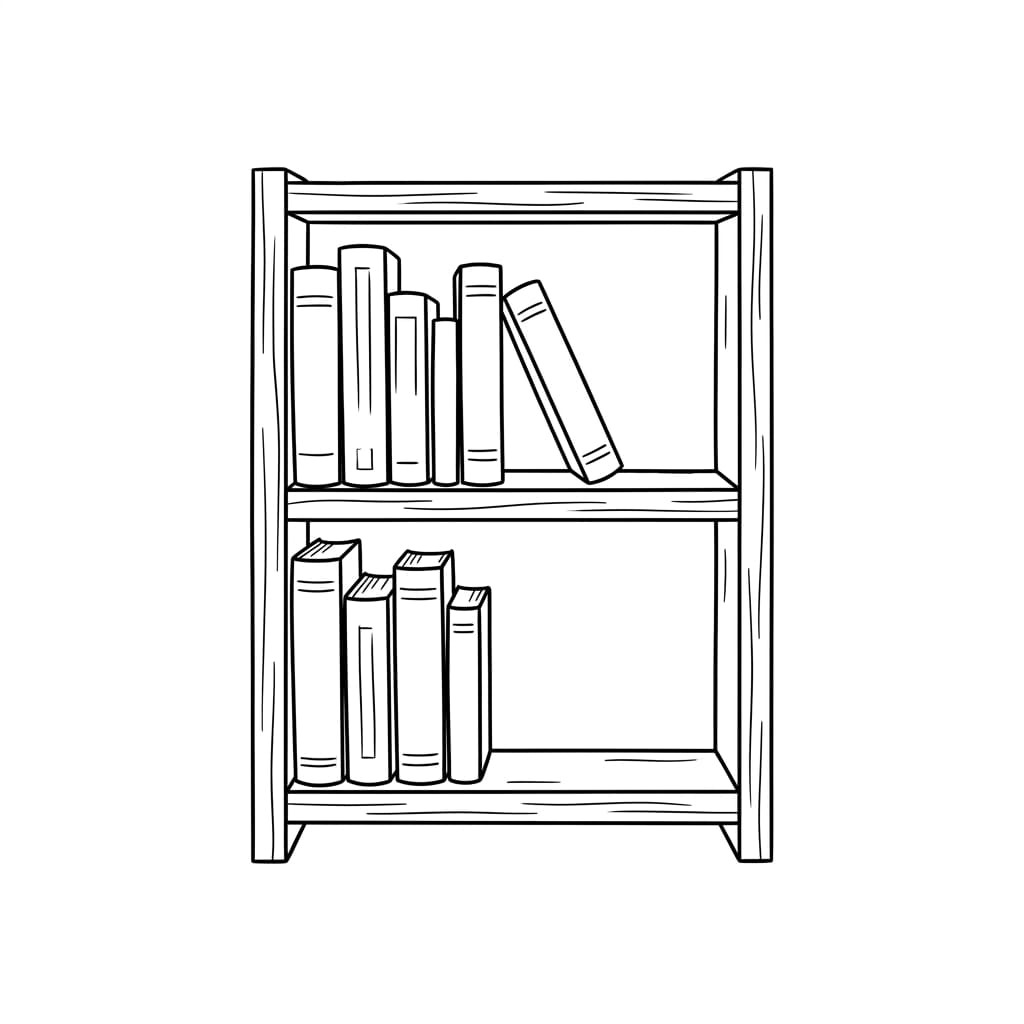
This is your warm-up lap. Draw two horizontal lines for the shelves, two vertical lines for the sides, and boom—you’ve got a shelf.
Add three or four upright books (just skinny rectangles), then draw one leaning diagonally against them.
IMO, that leaning book changes everything. It adds instant personality without any extra work. Try it and tell me I’m wrong.
2. The Skinny Tall Shelf
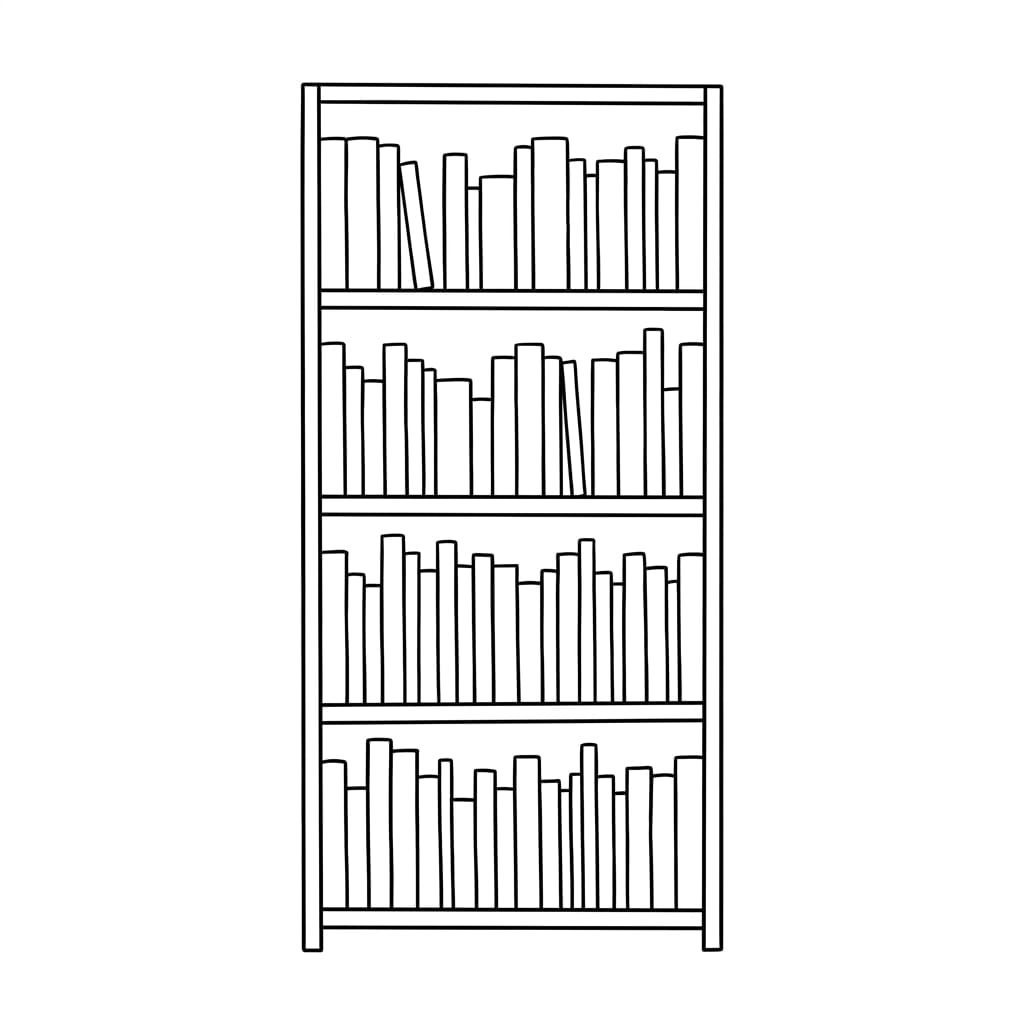
Ever seen those tall, skinny shelves people shove into awkward hallway corners? Draw one. Four shelves stacked vertically.
Each shelf gets a row of books, but here’s the trick—vary the heights. Make some books tall, some short, and leave a tiny gap or two.
Why does this work so well? Because uneven books look real. Perfectly uniform rows scream “IKEA catalog.” Slightly chaotic rows whisper “I actually read these.”
3. The Modern Cube Modular Shelf
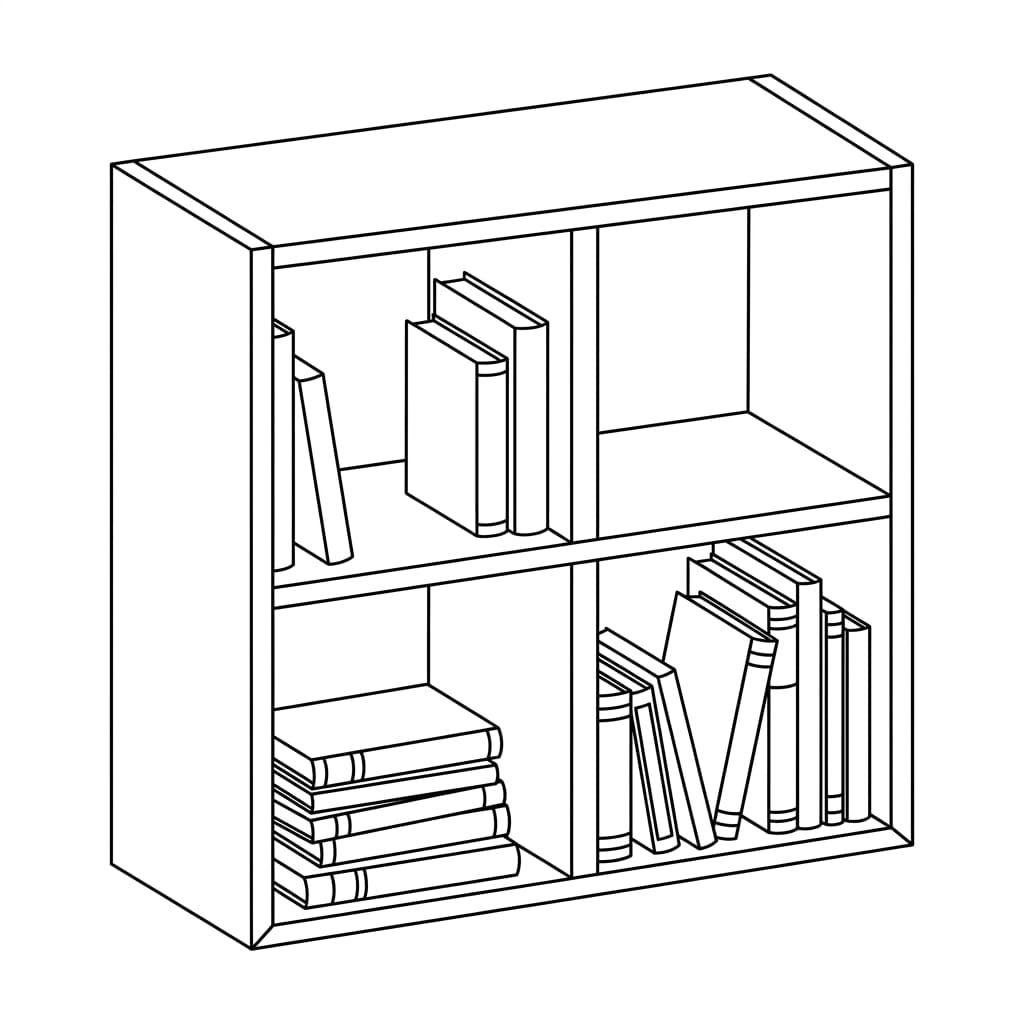
This one’s for my chaos-hating friends. Draw a big square, then divide it into four smaller squares (like a windowpane). Now, fill only two of those cubes with books. Leave the others empty.
The empty spaces aren’t mistakes—they’re design choices. See how professional you sound already?
4. The Floating Wall Shelf (Side View)
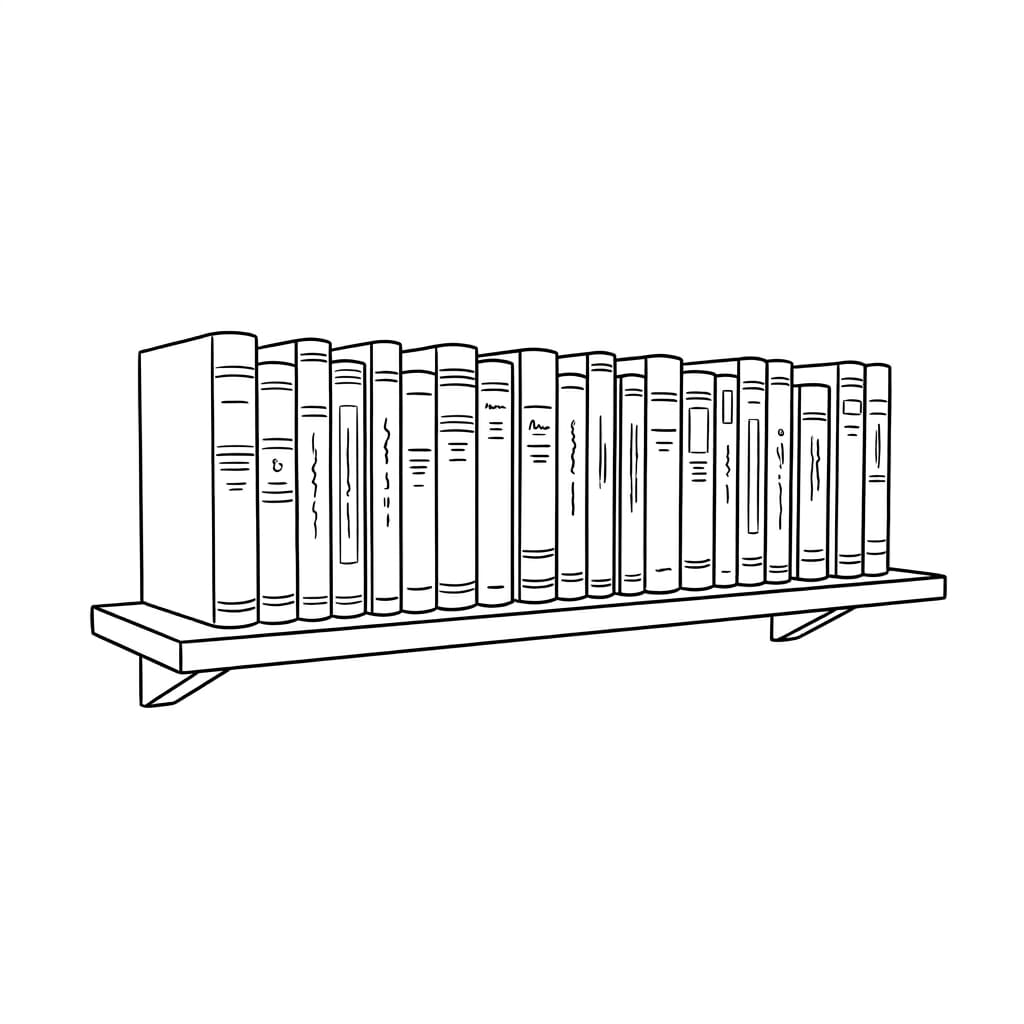
Okay, tiny challenge time. Instead of drawing the shelf straight on, draw it from the side. You’ll see the shelf’s thickness (a simple rectangle) and the books lined up like little soldiers.
Why bother with perspective? Because it teaches you depth without the headache of true 3D drawing. Plus, floating shelves just look cool. No brackets, no drama.
5. The Ladder Leaning Shelf
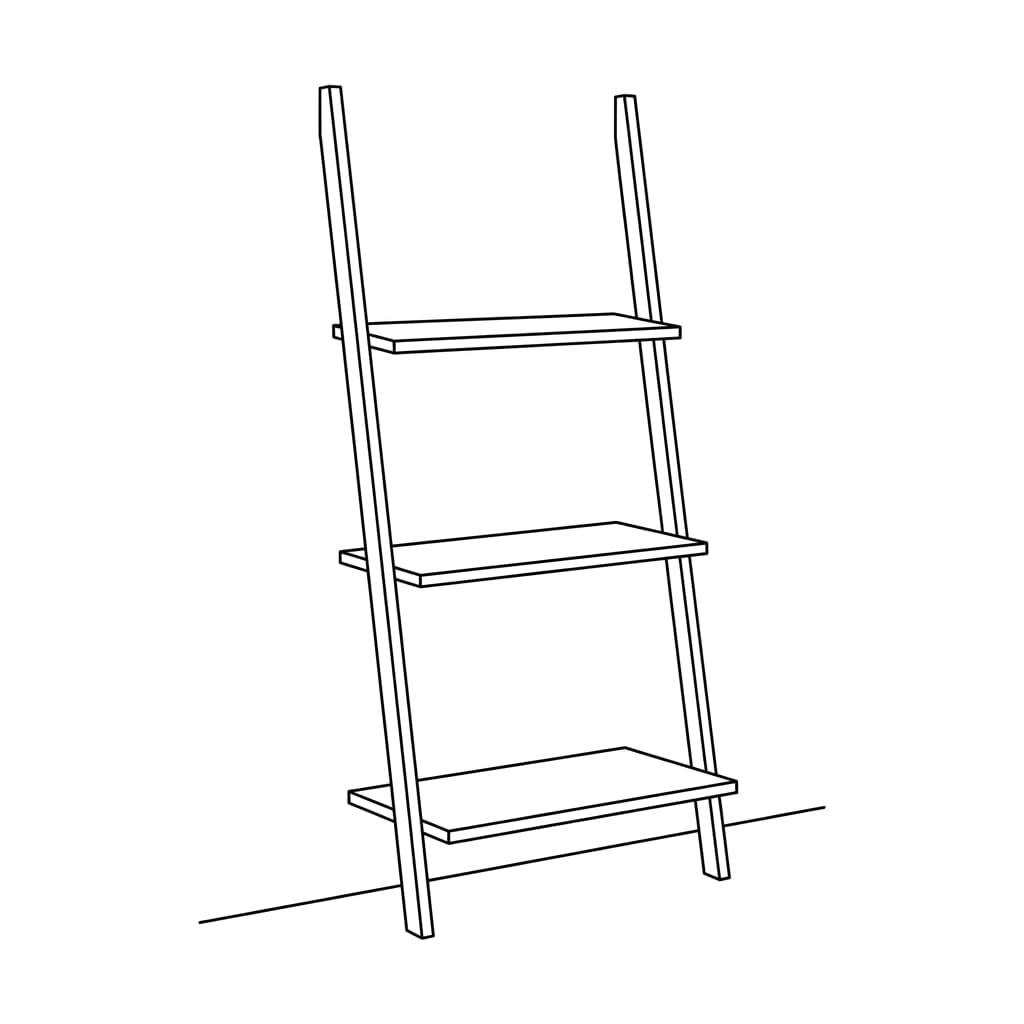
Draw two long diagonal lines (the ladder legs), then add three horizontal rungs (the shelves). That’s literally it. Then sprinkle books across the shelves.
Here’s a personal tip: don’t make the diagonal lines too steep or your books will look like they’re about to slide off. Unless that’s the vibe you want. No judgment.
6. The Corner Shelf (Your New Best Friend)
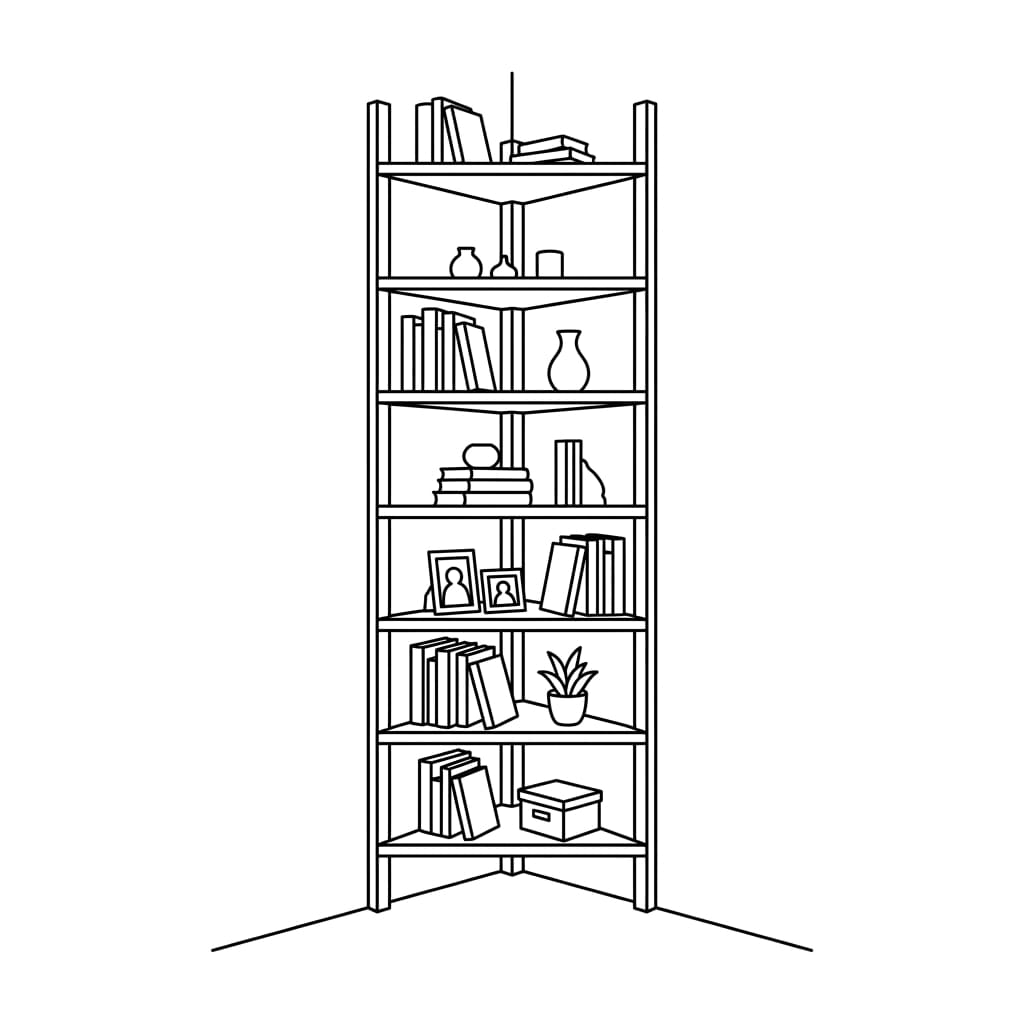
Corners scare most beginners. Don’t let them. A corner shelf is just a stack of triangles.
Draw a small upside-down V shape, then another one below it, then another. Each “V” is a shelf. Add a few books to each triangle.
Ever wondered why corner shelves feel so satisfying to draw? I think it’s because they waste no space. Efficient AND cozy.
7. The Low Horizontal Shelf
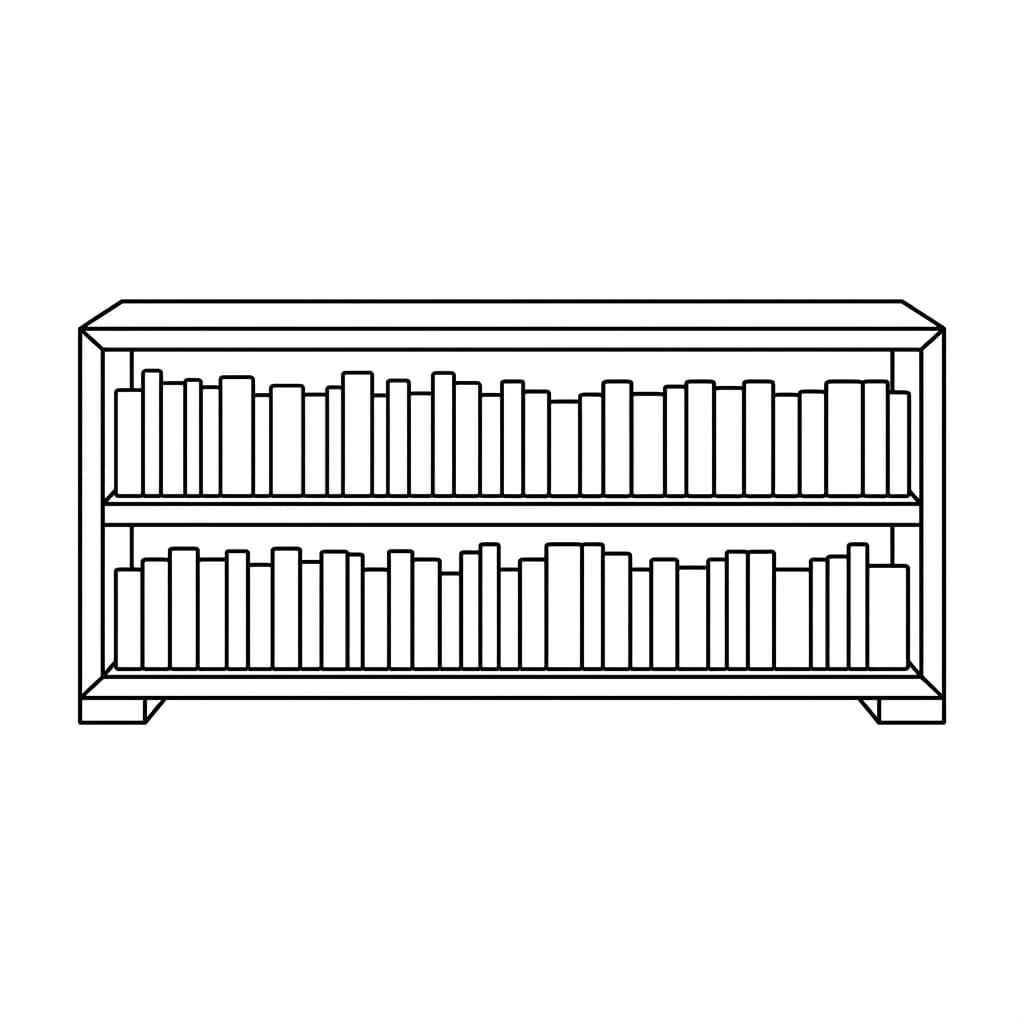
Imagine a shelf that lives under a window. It’s long, low, and humble. Draw two long rectangles (the shelves), then add books standing neatly side by side.
This is your chance to practice straight lines and consistent spacing. Don’t stress about perfection. Wobbly books have charm. I will die on this hill.
8. The Children’s Bookshelf (Rounded + Cute)
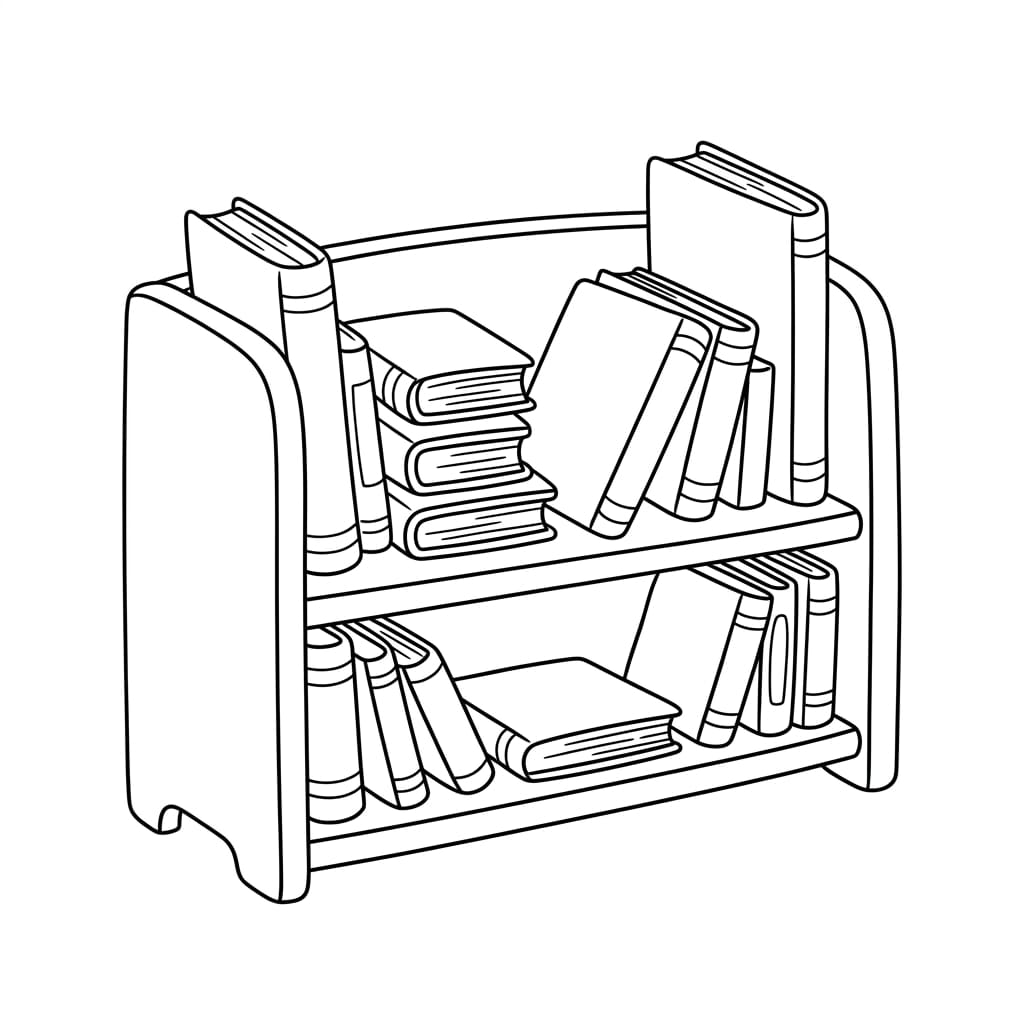
Round the corners of your outer rectangle. Keep the whole thing short—this shelf belongs to a tiny human. Arrange the books loosely, maybe with one lying flat on top of others.
This one always makes me smile. There’s something wonderfully forgiving about rounded edges. Straight lines are stressful. Curves are friends.
9. The Vintage Shelf with a Curved Top
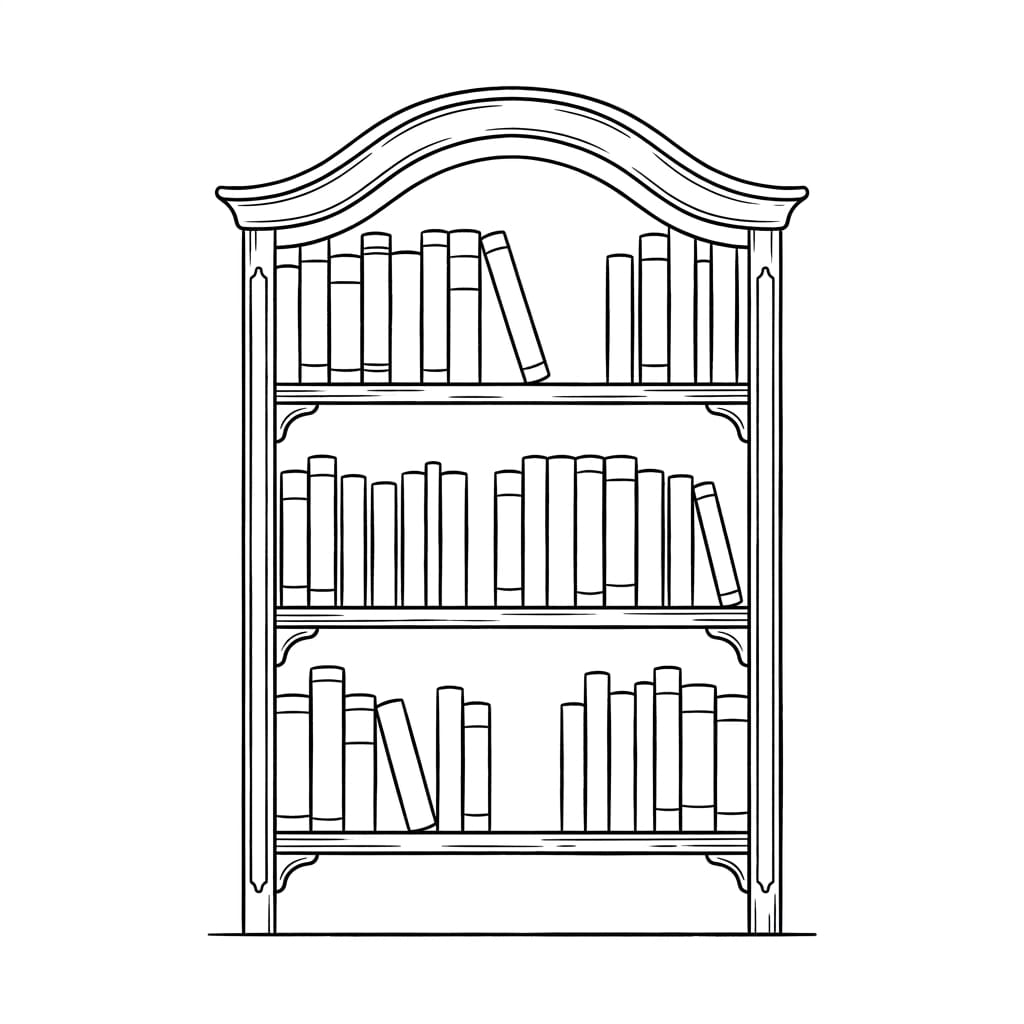
Draw a shelf that looks like it belongs in an old library. The secret is the top edge—curve it like a gentle hill instead of a flat line. Add a few decorative swoops if you’re feeling fancy.
Honestly? You can stop at just the curved top. That single detail does 90% of the vintage work. The rest is just books.
10. The Glass-Door Display Shelf
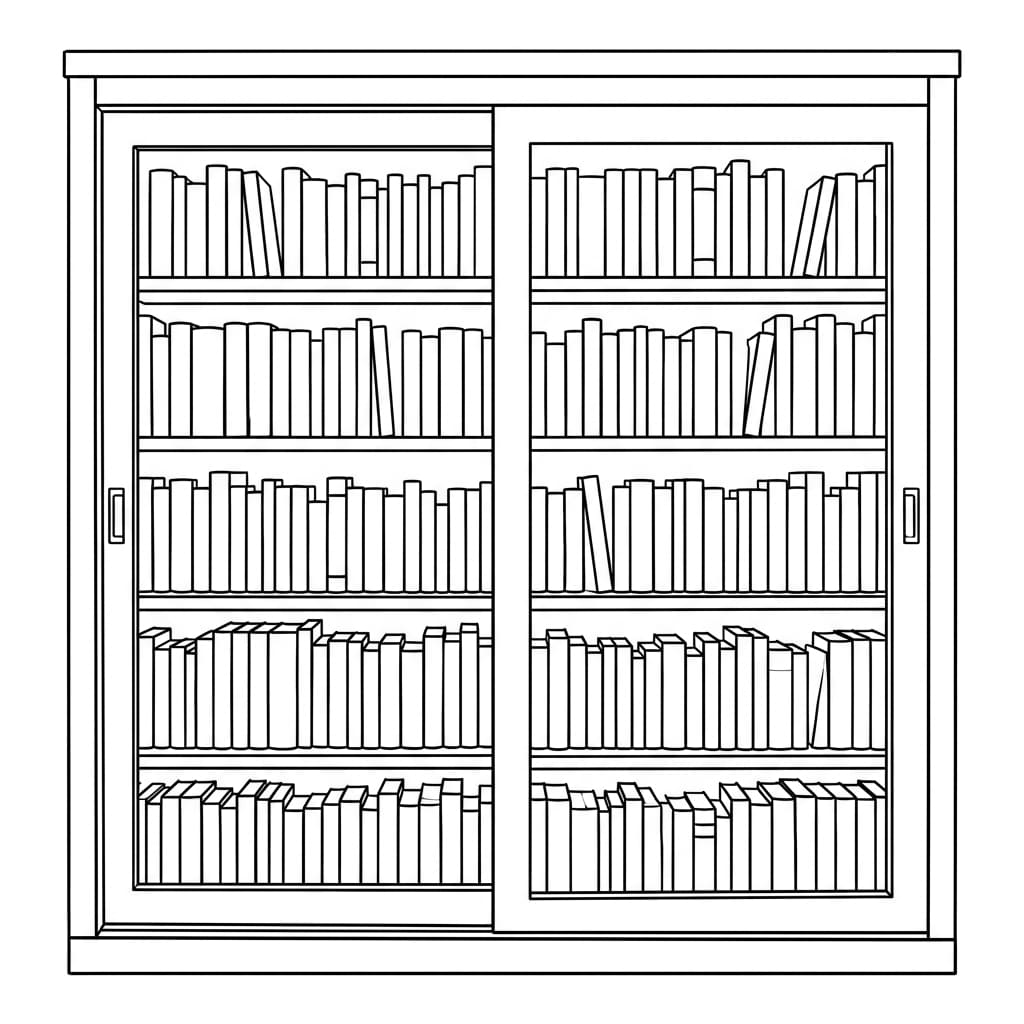
Draw a standard shelf, then add two thin vertical rectangles on the front to suggest sliding glass doors. Draw the books behind the “glass.”
Here’s what I love about this one: it teaches you layering. The glass lines sit on top of the books, which creates depth without shading. Sneaky, right?
11. The Wall-to-Wall Monster Shelf
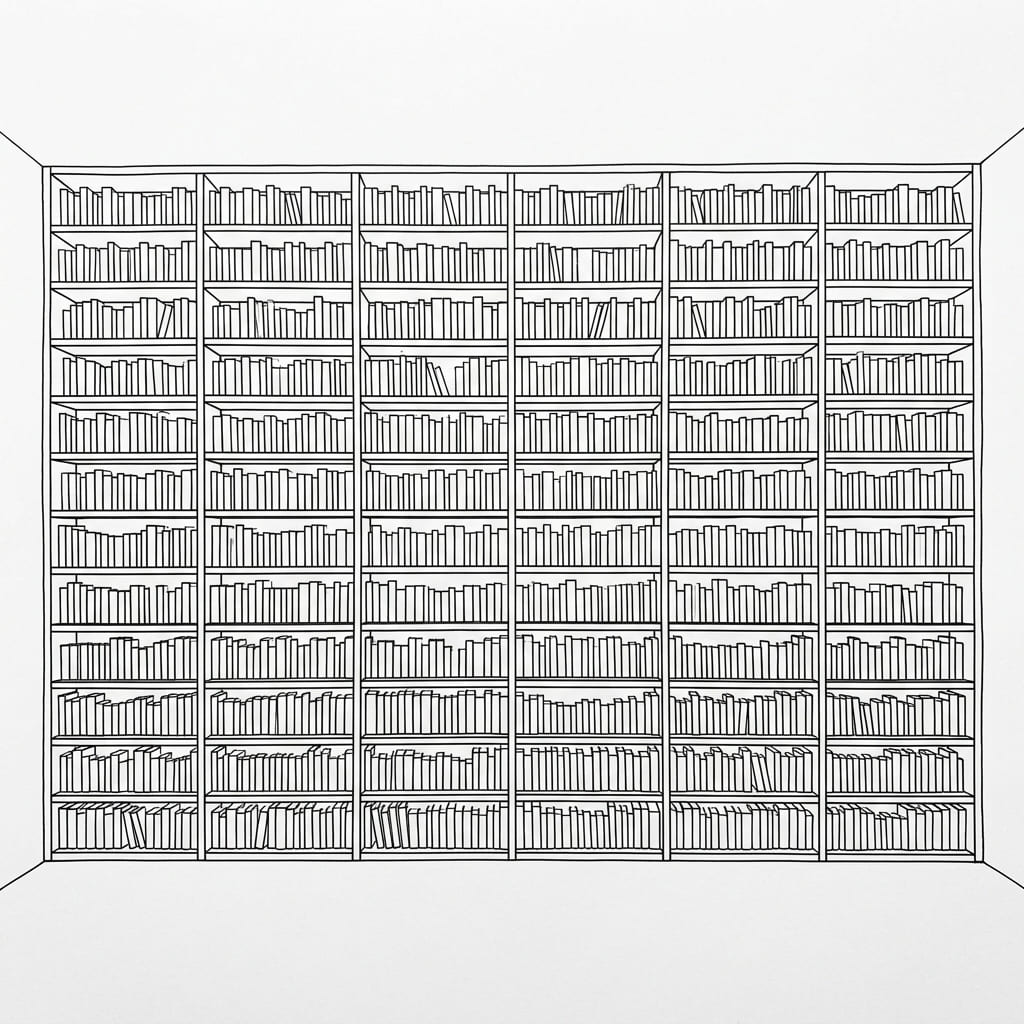
This shelf eats entire walls for breakfast. Draw a very wide rectangle, divide it into three or four horizontal sections, then fill each section with nothing but vertical lines (those are your books).
This is pure pattern practice. And FYI, it looks incredibly impressive despite requiring almost zero skill. Your secret is safe with me.
12. The Tiny Bedside Shelf
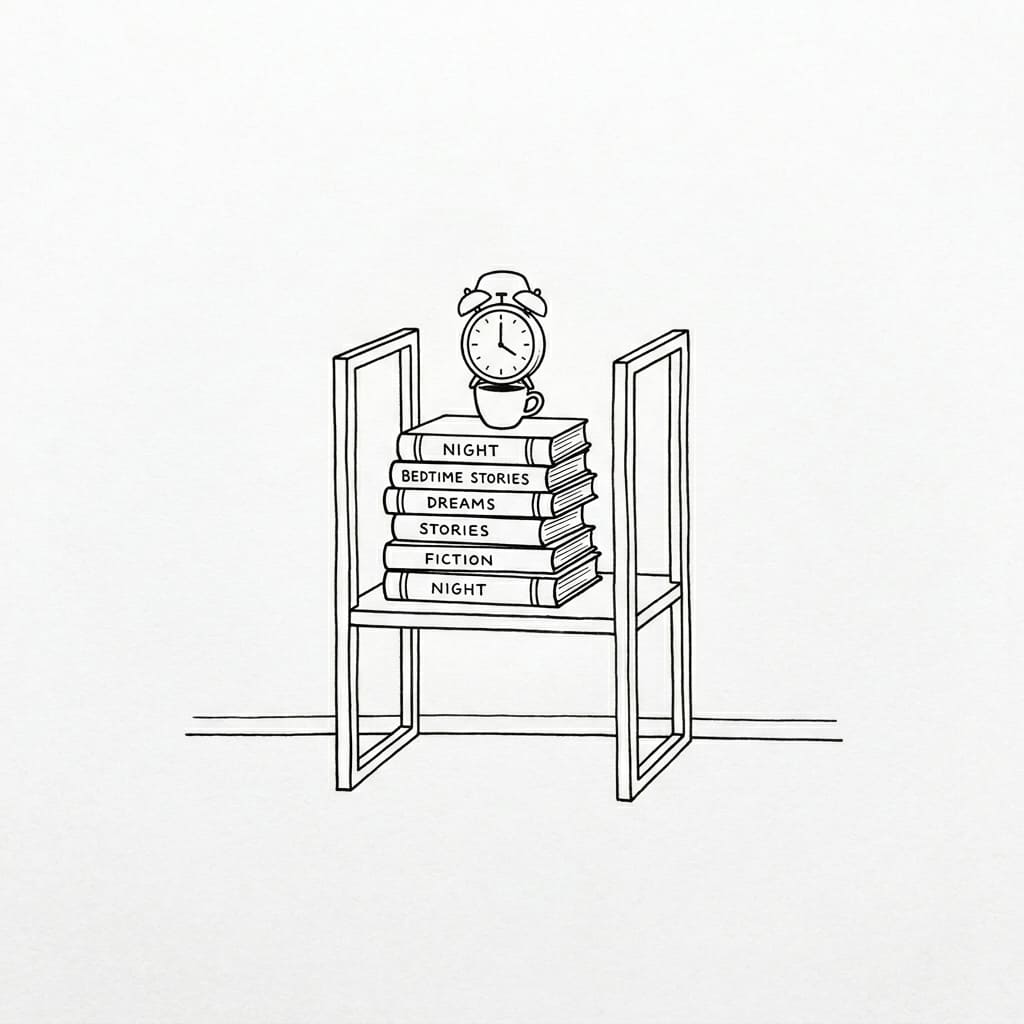
Sometimes less is more. Draw a tiny shelf—maybe four inches wide on your paper. Give it one shelf.
Stack a few books horizontally (they look like flattened rectangles), then place one book upright as a bookmark holder.
This little guy proves you don’t need grand ideas. A quiet sketch of a quiet shelf? That’s art, my friend.
13. The Industrial Pipe Shelf
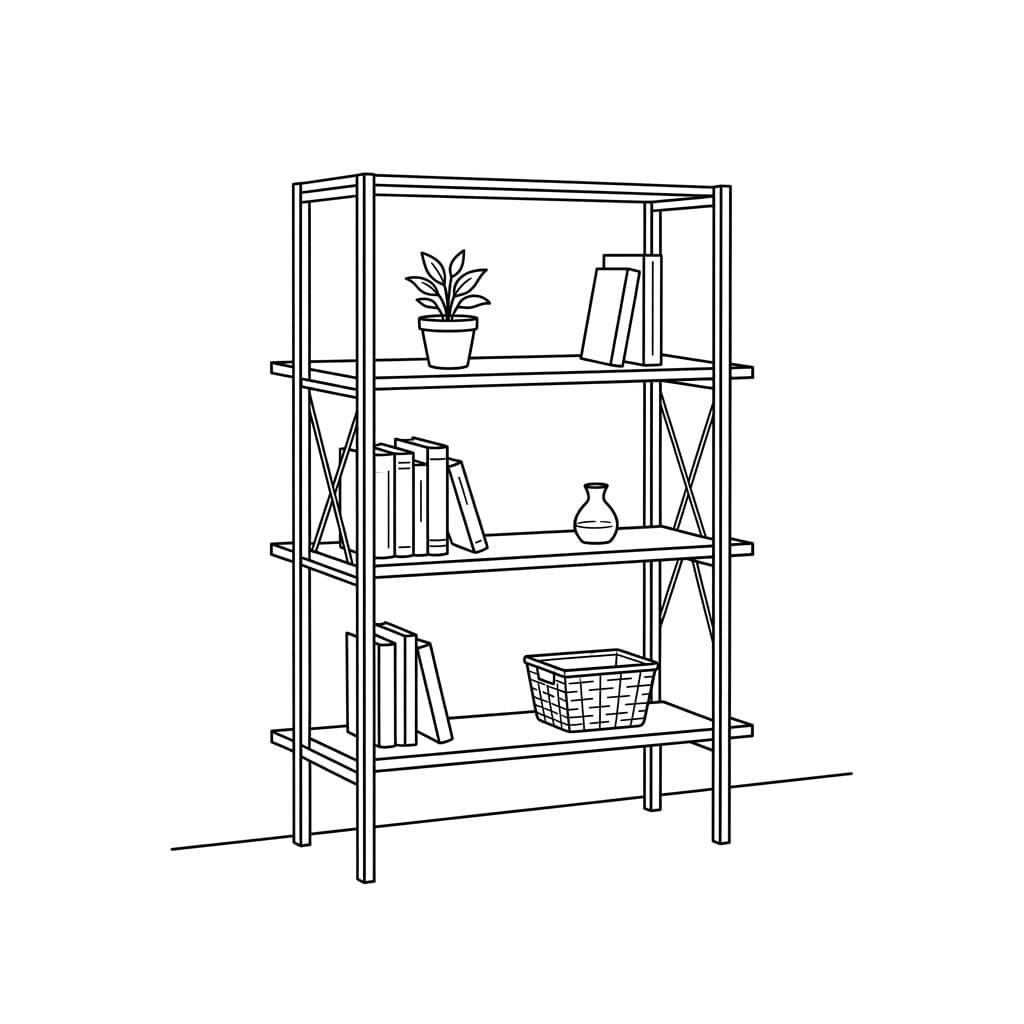
Draw a frame using thin, straight lines. Add three shelves. Then place only a handful of books—this shelf values negative space.
Industrial style in real life costs hundreds of dollars. Industrial style on paper costs nothing but gives you all the cool points. I’d call that a win.
14. The Wild Zigzag Shelf
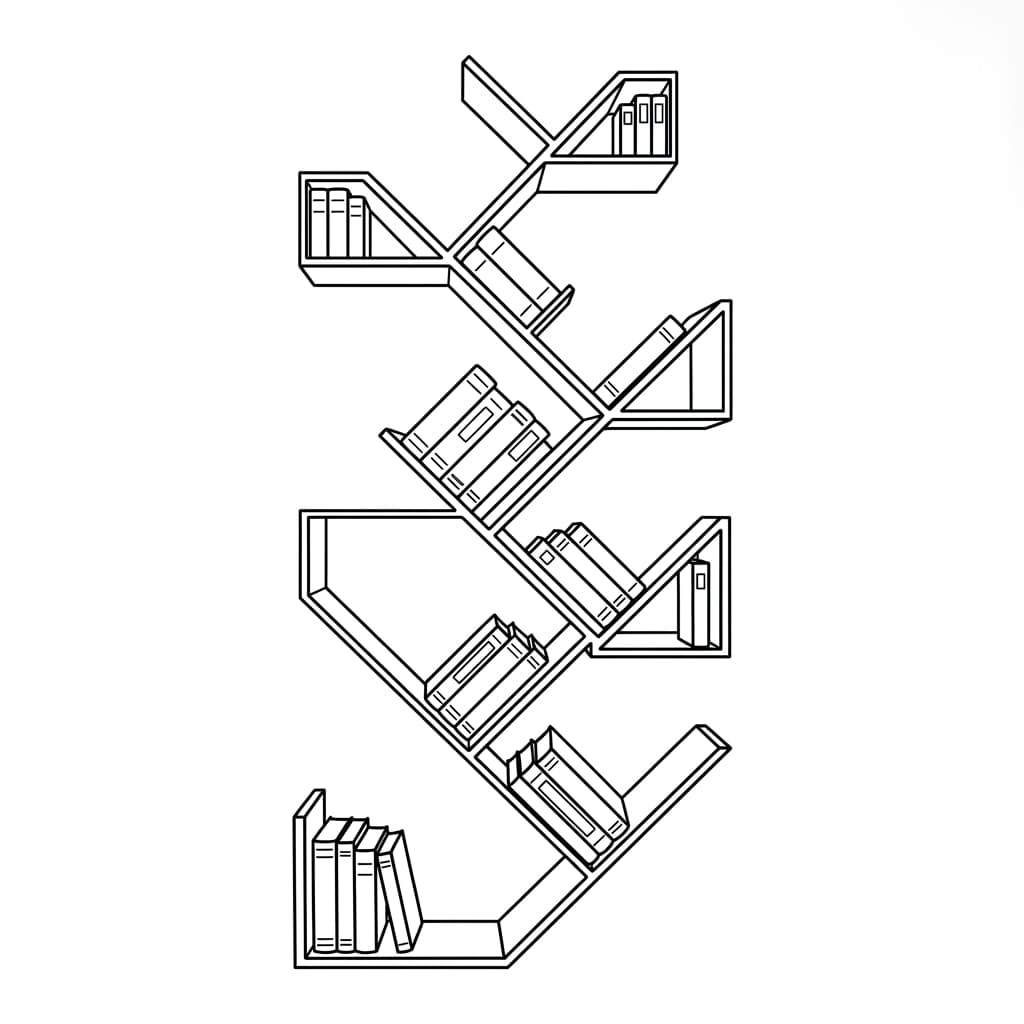
Okay, now we’re having fun. Draw a zigzag shape (like a lightning bolt turned sideways). Each zig and zag becomes a tiny shelf. Pop one or two books in each section.
Is this shelf practical? Absolutely not. Is it a blast to draw? One hundred percent. Sometimes you just need to draw something ridiculous.
15. The Mixed Arrangement Shelf (Best for Last)
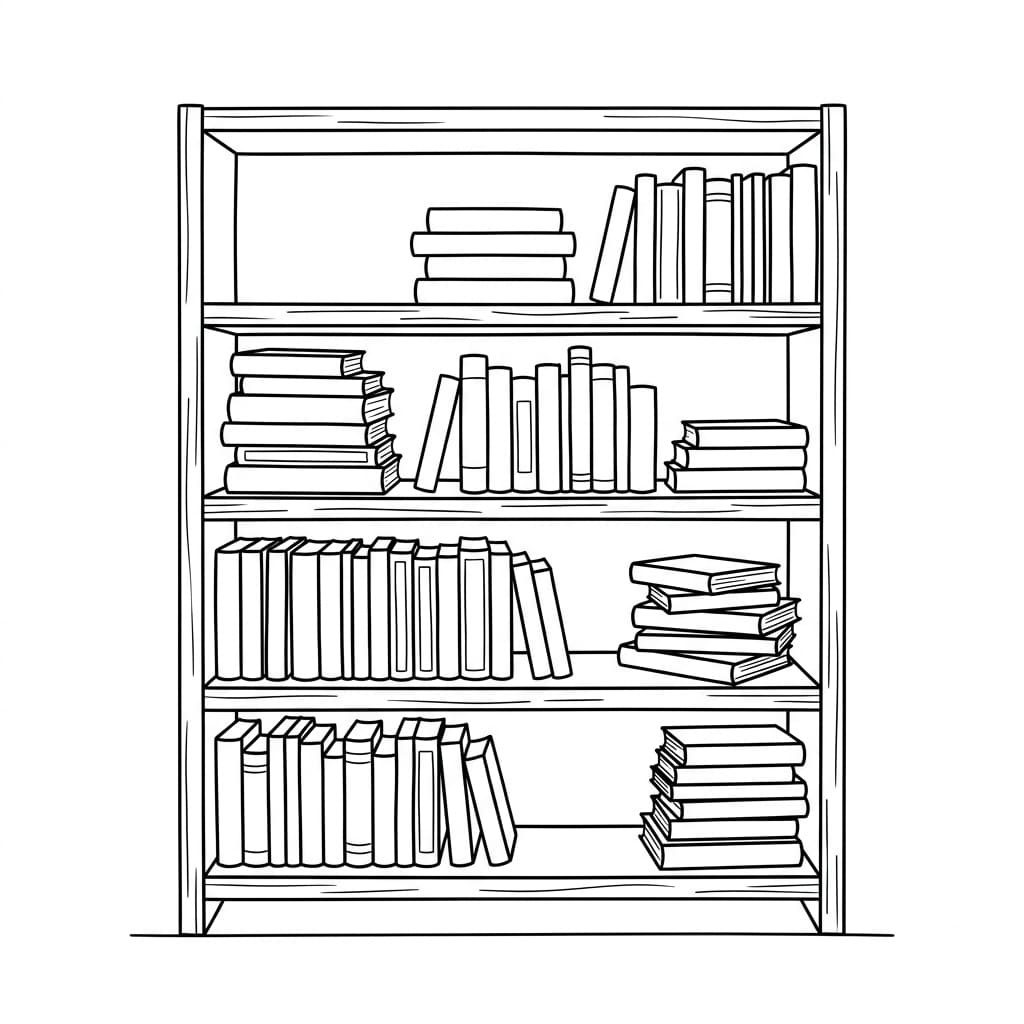
Take any shelf from this list. Now mix your book orientations. Stack three books flat (horizontal rectangles). Stand two upright next to them. Lean one diagonally. Add a tiny gap.
This is my personal favorite. Why? Because real bookshelves look like this. Nobody stacks everything perfectly upright. We toss books, we lean them, we pile them. Draw the beautiful mess.
A Few Friendly Tips Before You Start Drawing
You’ve got the ideas. Now let me save you a little heartache.
Tip 1. Use a pen, not a pencil
I know that sounds scary, but trust me. A pen forces you to commit. No erasing means no perfectionism. And no perfectionism means you actually finish the drawing.
Tip 2. Start small
Draw one shelf on a quarter of the page. If you love it, draw another one beside it. A whole page of tiny bookshelves looks like a gallery wall of cozy corners.
Tip 3. Don’t count your lines
Seriously. If you draw seven books instead of six, the drawing police will not come for you. These ideas are starting points, not prison sentences.
Ever wonder why beginner guides always say “don’t worry about mistakes”? Because mistakes teach you faster than success ever will. Every wobbly line shows you exactly what to adjust next time.
Let’s Wrap This Up (You’ve Got This)
Here’s what I want you to do next.
Pick one idea from this list. Just one. Grab any black pen you can find. Draw that shelf in under ten minutes. Don’t overthink it. Don’t “plan” it. Just draw.
Then look at what you made.
I guarantee it looks better than you expect. And I guarantee you’ll feel a little spark of pride. That spark? That’s why we do this.
Bookshelf drawing ideas aren’t just about filling a page. They’re about building a habit. They’re about proving to yourself that you can create something from nothing.
And honestly? They’re about having a quiet, joyful moment in a noisy world.
So go draw a lopsided rectangle. Fill it with tiny book shapes. Lean one diagonally just because you can.
Then come find me and tell me which idea was your favorite. I’ve got my money on the zigzag one.
Happy drawing, friend. Your cozy nook is waiting.