Just a Pencil and Paper: 15 Fun Police Car Drawing Ideas for Beginners
So you want to draw a police car, but you’re staring at that blank page like it just asked you a trick question. I get it. We’ve all been there.
Here’s the good news: you don’t need fancy supplies, years of training, or even a steady hand to create something awesome. Seriously. Grab any old pencil, a piece of paper, and maybe an eraser (because let’s be real—we all make mistakes), and you’re ready to go.
I’ve put together 15 ridiculously simple police car drawing ideas that’ll have you sketching like a confident beginner in no time. No shading, no coloring, no stress. Just clean black lines and a whole lot of fun.
Ready to put that pencil to work? Let’s dive in.
Why Police Cars Make the Perfect Subject for Beginner Artists
Before we jump into the ideas, let me tell you why police vehicles are actually a secret weapon for new artists.
Most vehicles have complicated curves, weird perspectives, and enough tiny details to make your head spin. But police cars? They come in all shapes and sizes—from boxy vans to sporty coupes—which means you can start with the easy shapes and work your way up.
Plus, let’s be honest: adding a simple siren or a bold “POLICE” badge instantly makes any doodle look intentional. It’s like cheating, but in a totally legal way.
Ever notice how a few basic lines can turn a rectangle into a patrol car? That’s the magic we’re about to tap into.
15 Fun Police Car Drawing Ideas (That Anyone Can Sketch)
Alright, let’s get to the good stuff. I’ve broken these down so you can start with the absolute easiest options and slowly level up. But honestly? Pick whichever one catches your eye first.
1. The Classic Compact Patrol Car (Front View)
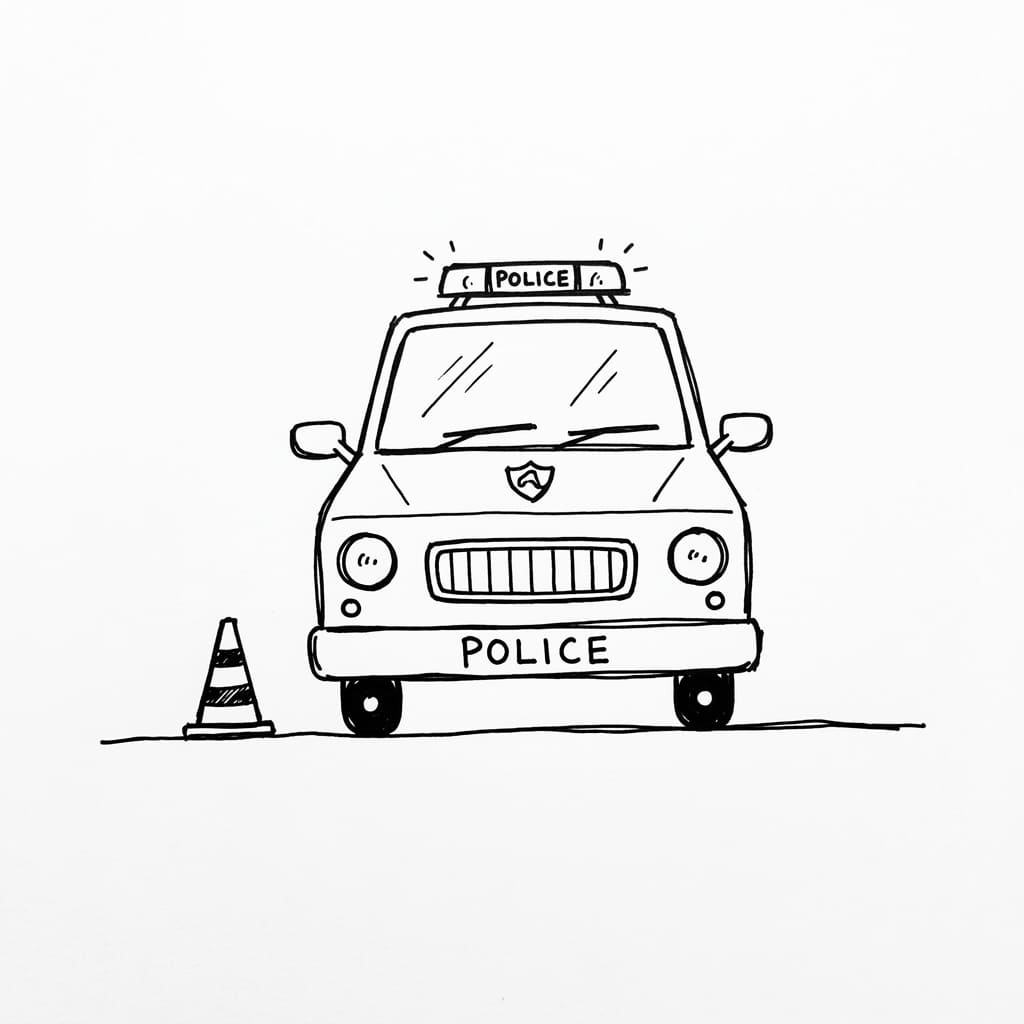
This one’s my personal favorite for absolute beginners. Why? Because it’s basically a rectangle with circles for wheels.
Picture this: a small, boxy car staring straight at you. Two headlights, a simple grille, and a cute little traffic cone keeping it company. No fancy angles, no tricky perspective—just pure, unfussy geometry.
I remember teaching my nephew this one last year. He finished it in under two minutes and immediately drew five more. That’s the beauty of starting simple.
2. The Bold Police SUV (Side View)
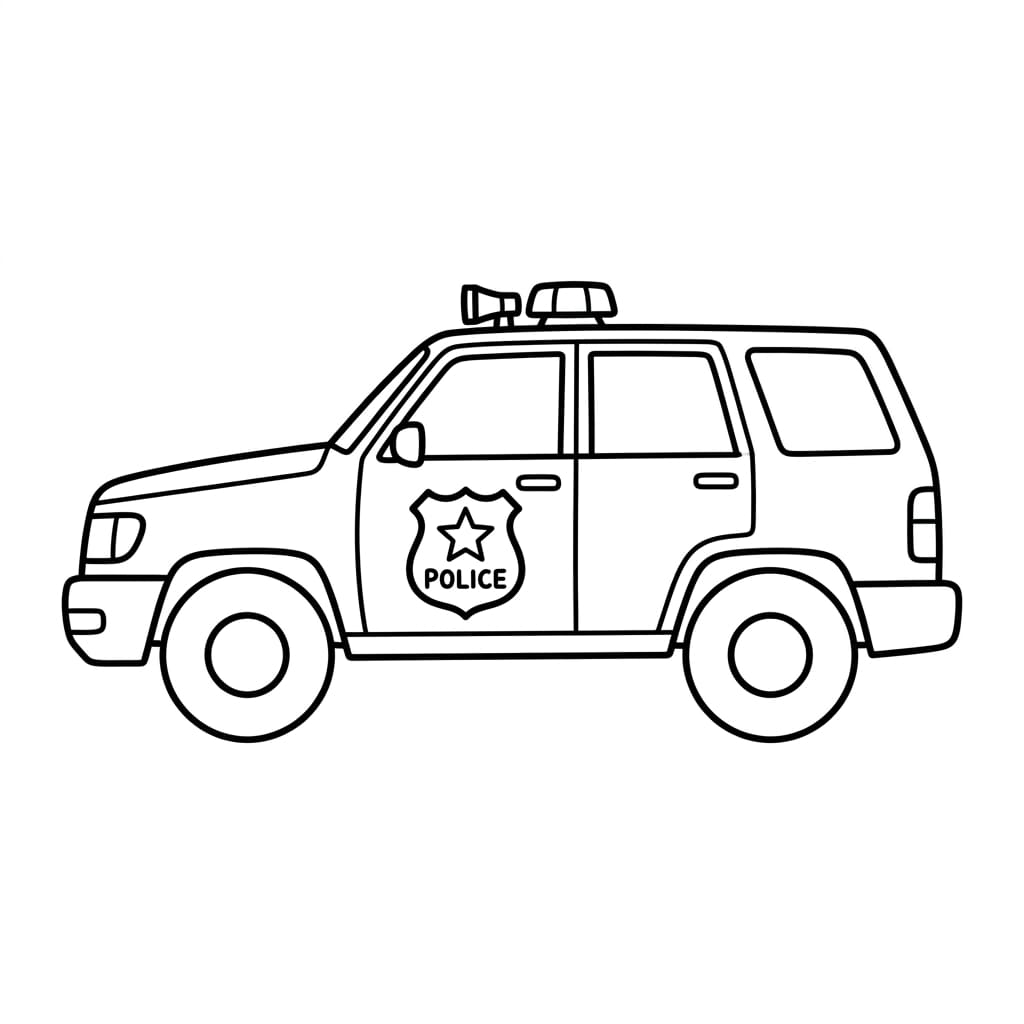
Side views are a beginner’s best friend. You don’t need to worry about foreshortening or complicated angles. Just draw a long box, add some wheels, and slap a siren on the roof.
What I love about this one? The door badge does all the heavy lifting. A simple rectangle with “POLICE” written inside instantly sells the whole drawing. Throw in some roof lights, and you’ve got yourself a proper law enforcement vehicle.
FYI: If your wheels look like squashed eggs, don’t sweat it. Mine did too for the first ten tries. 🙂
3. The Vintage Cutie (3/4 Front View)
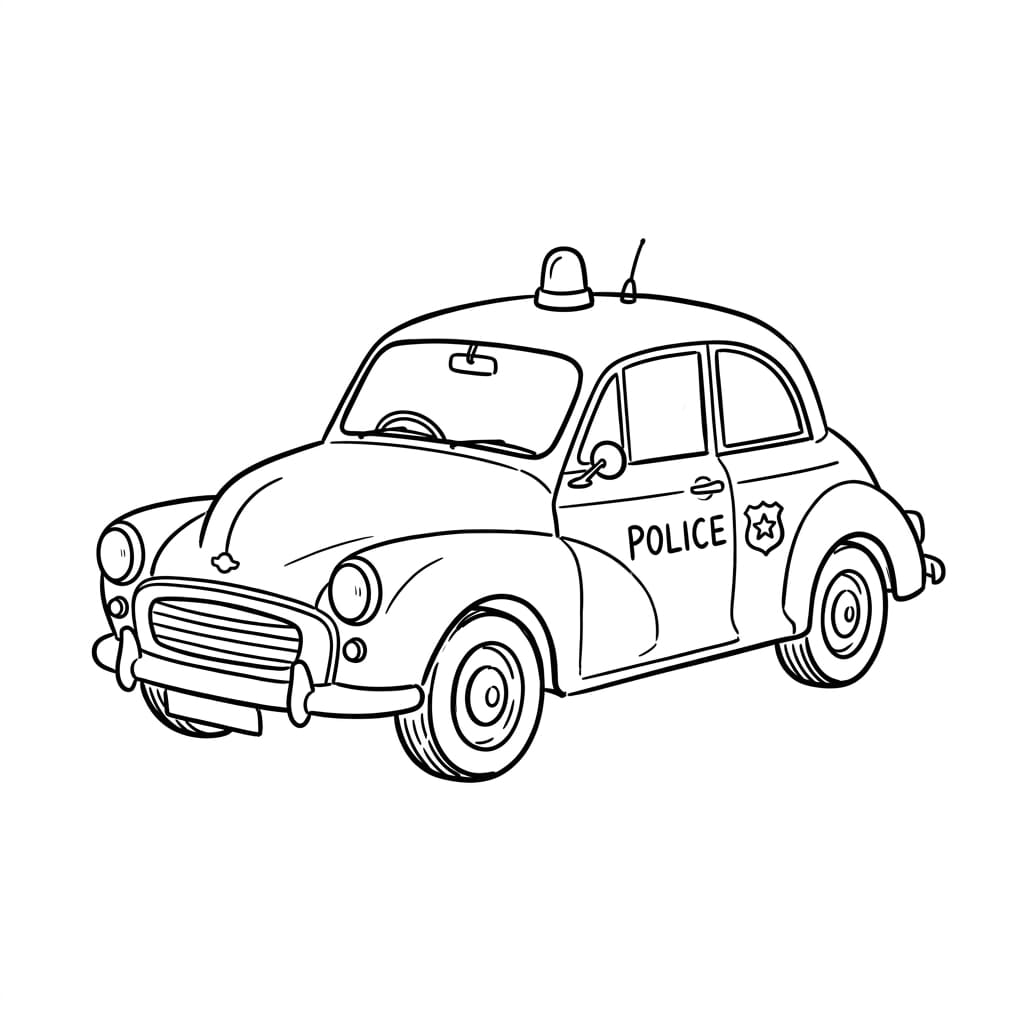
Ready for a tiny challenge? This 3/4 view adds just a hint of depth without going overboard.
The secret here is those rounded headlights. They give the car that old-school charm, like something from a black-and-white movie chasing down a getaway sedan. The tires stay simple—just circles with a smaller circle inside.
Ever noticed how vintage cars have more personality than modern ones? This doodle proves that point.
4. The Workhorse Pickup Truck (Side Angle)
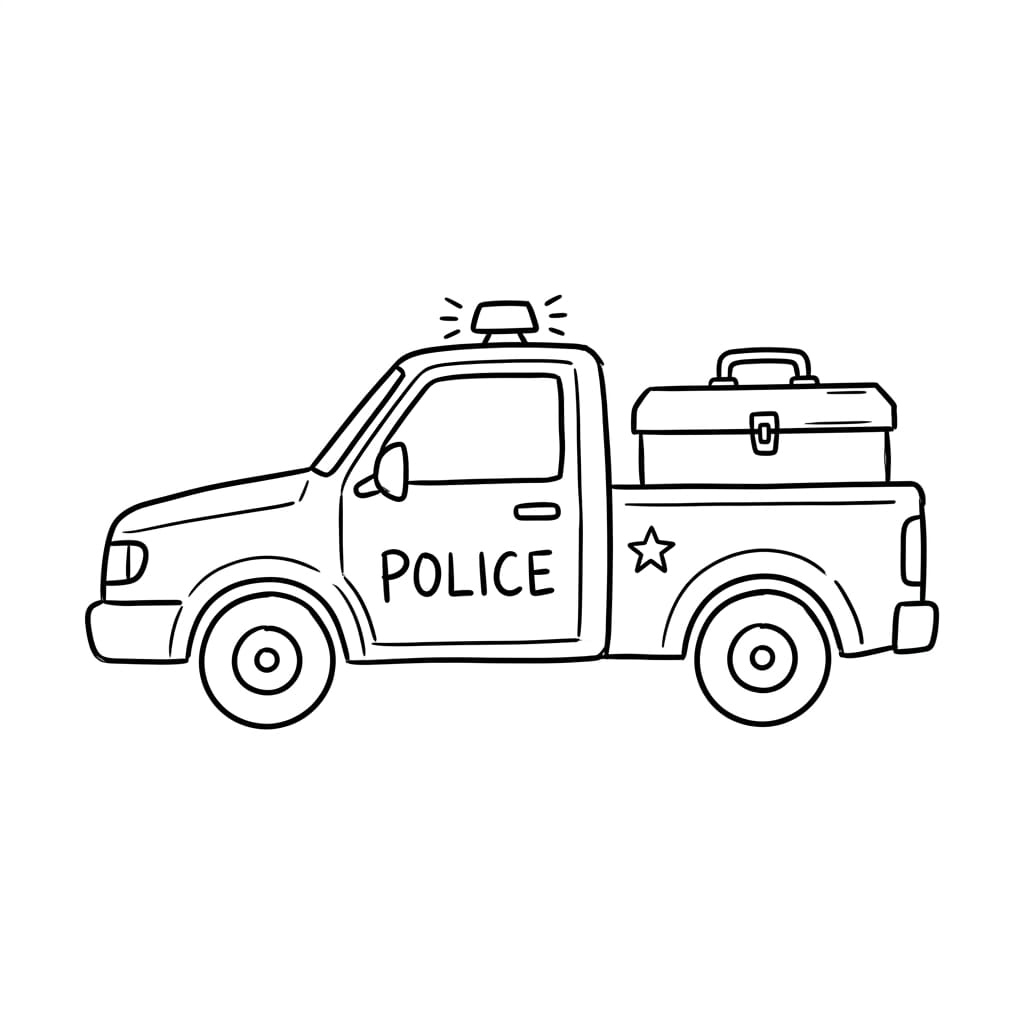
Pickup trucks are wonderfully boxy, which makes them perfect for beginners.
Draw a cab, draw a bed, and add a simple toolbox in the back. That’s it. The side angle keeps everything flat and manageable. No shading, no texture—just clean black lines telling a story.
IMO, this one works great if you want to draw something that feels a bit different from the usual sedan sketches.
5. The Cartoon Hatchback (Front-Facing View)
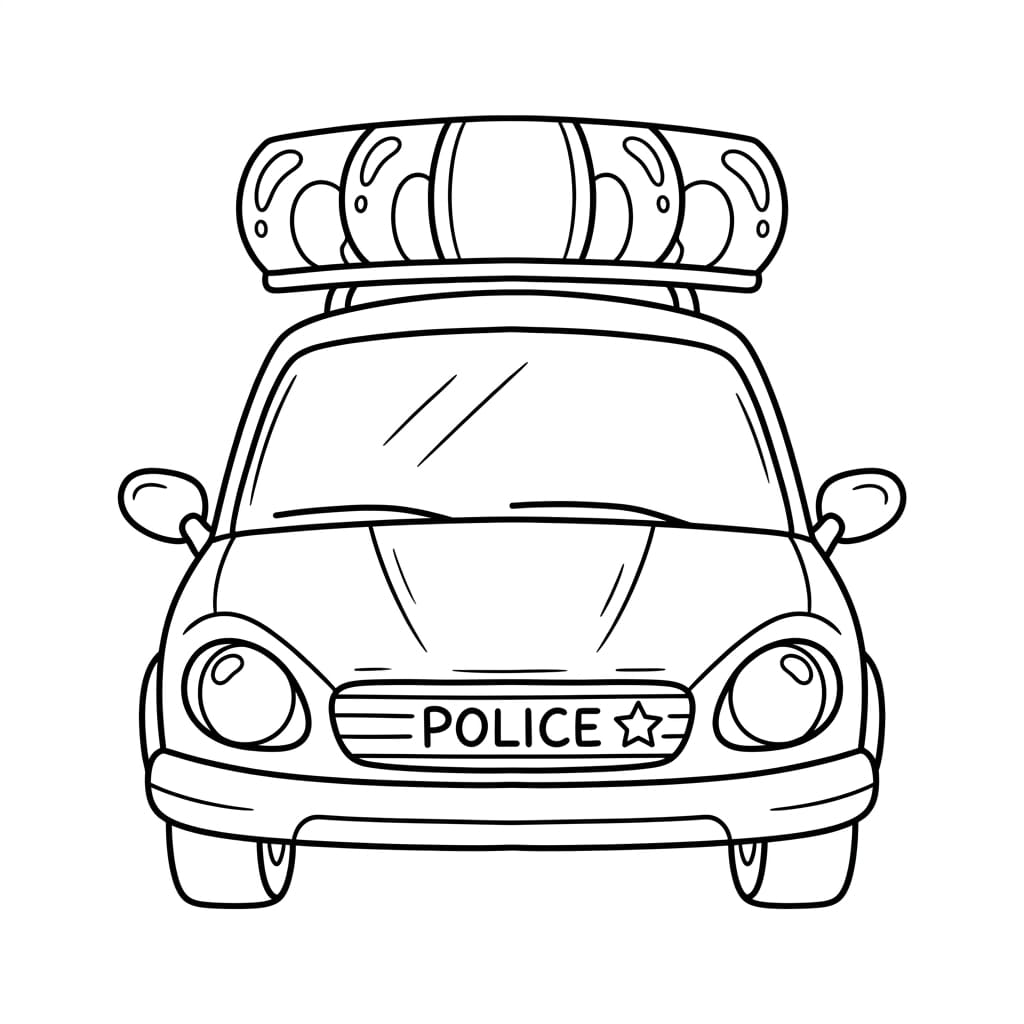
Let’s have some fun with proportions. Go ahead and make that siren bar comically large. I promise it looks adorable.
The hatchback shape is shorter and perkier than a sedan, which automatically makes it feel friendlier. Draw two big headlights (maybe slightly larger than normal), a tiny grille, and that oversized light bar stretching across the roof.
This one always makes me smile. It’s like the police car equivalent of a puppy.
6. The Highway Patrol Sports Car (Dynamic Side View)
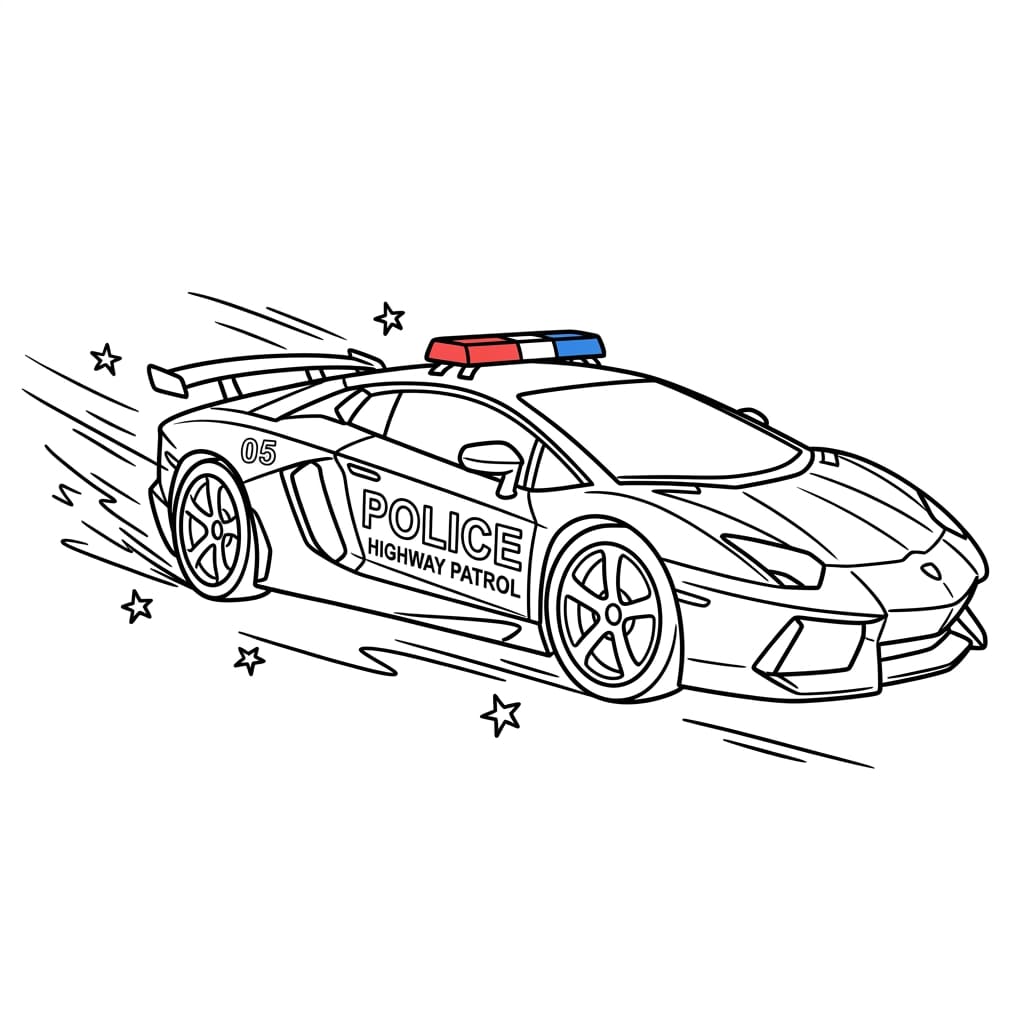
Time to add some speed! (Without actually moving your pencil faster.)
Draw a low, sleek sports car shape. Then add simple motion lines behind the wheels—just a few curved strokes that suggest movement. The result? A car that looks like it’s chasing down a speeder at 100 mph.
Ever wondered why motion lines work so well? Your brain fills in the gaps automatically. Pretty cool, right?
7. The Boxy Van (Parked Near a Barricade)
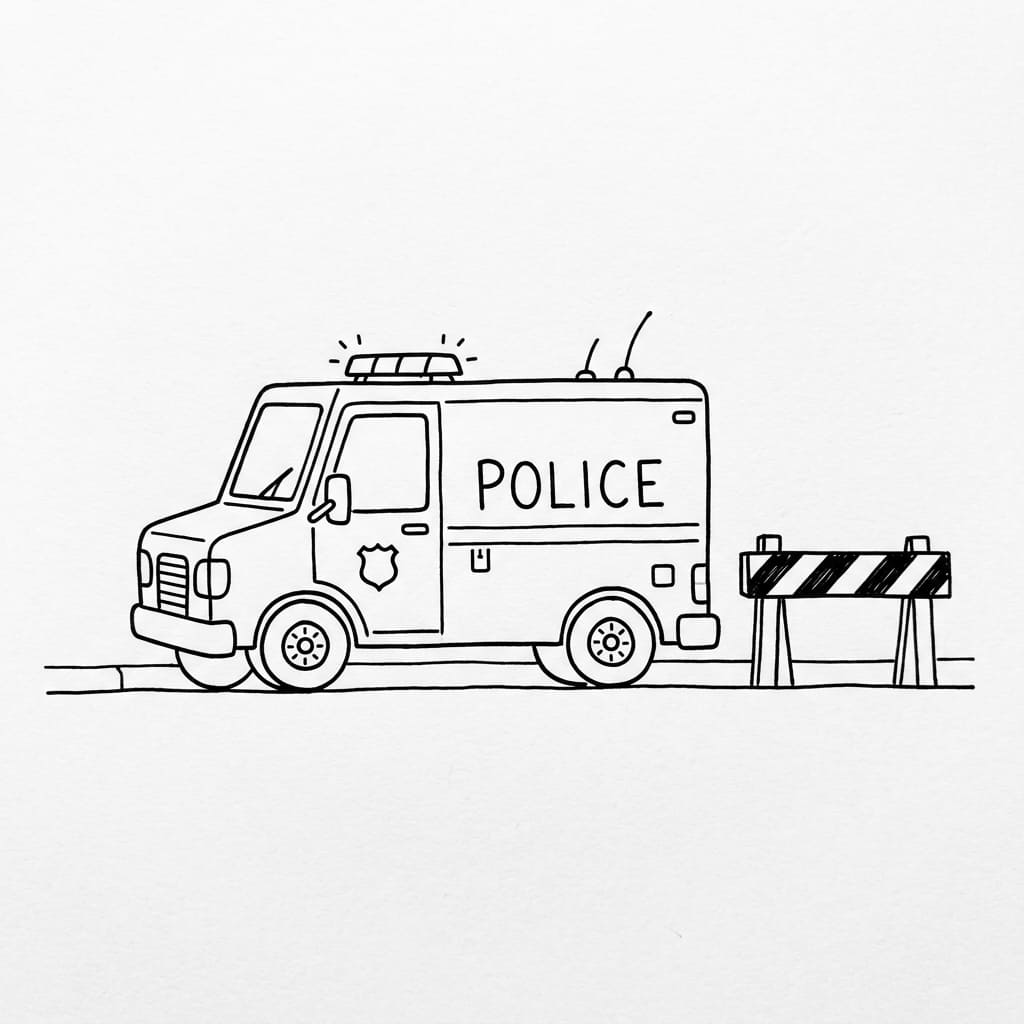
Vans are essentially rectangles on wheels. That’s not an insult—it’s a gift to beginners.
Draw a tall, blocky shape. Add windows, wheels, and a light bar. Then draw a simple striped barricade next to it (just a few angled lines on a small rectangle). Suddenly, you’ve got a whole scene happening.
The barricade adds context without requiring any extra skill. Smart, huh?
8. Two Cars Lined Up Side by Side (Different Shapes)
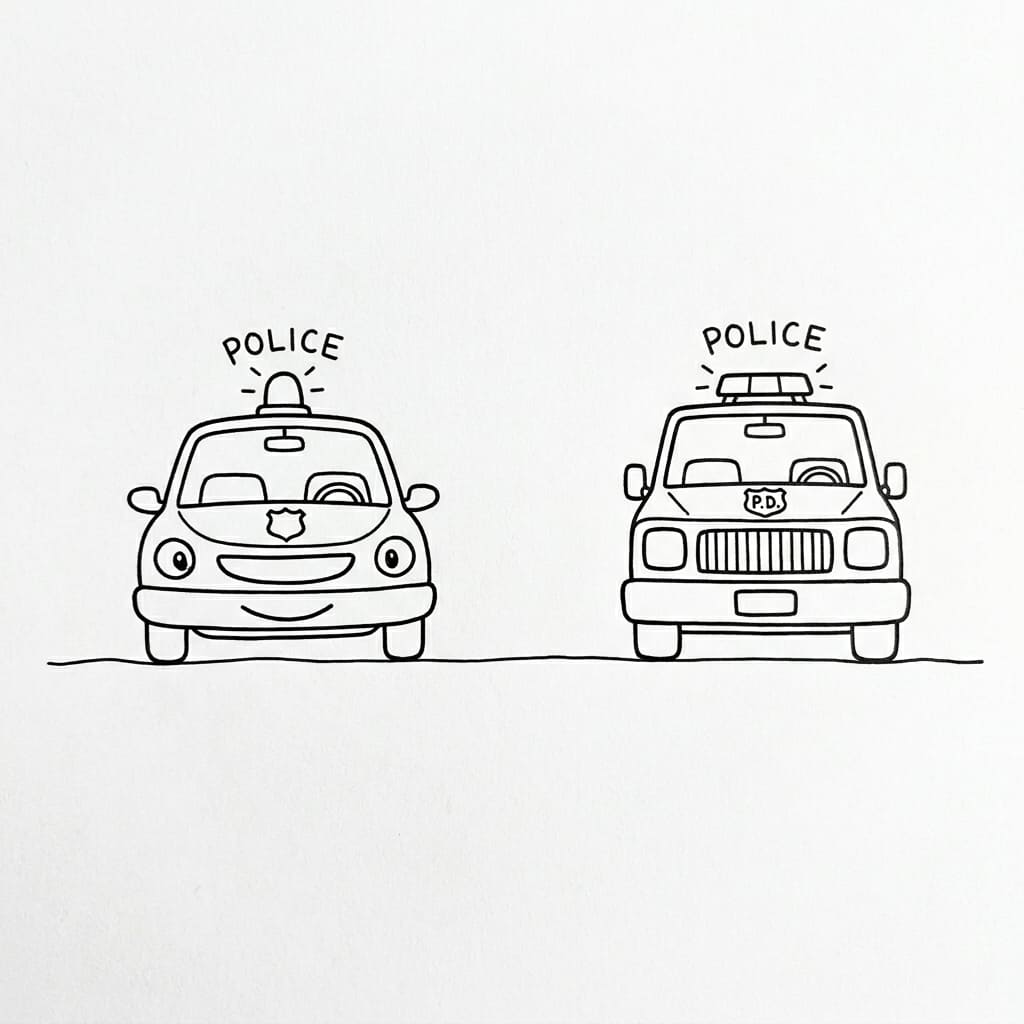
Double the fun with half the effort. Seriously.
Draw one car (maybe a sedan), then draw another car next to it (try an SUV or a hatchback). Keep both shapes simple and let their differences shine.
One might be longer, one might be taller—that contrast makes the drawing interesting.
This is a great warm-up exercise if you’re planning to draw multiple vehicles later.
9. The Off-Road Police Jeep (Angled Front View)
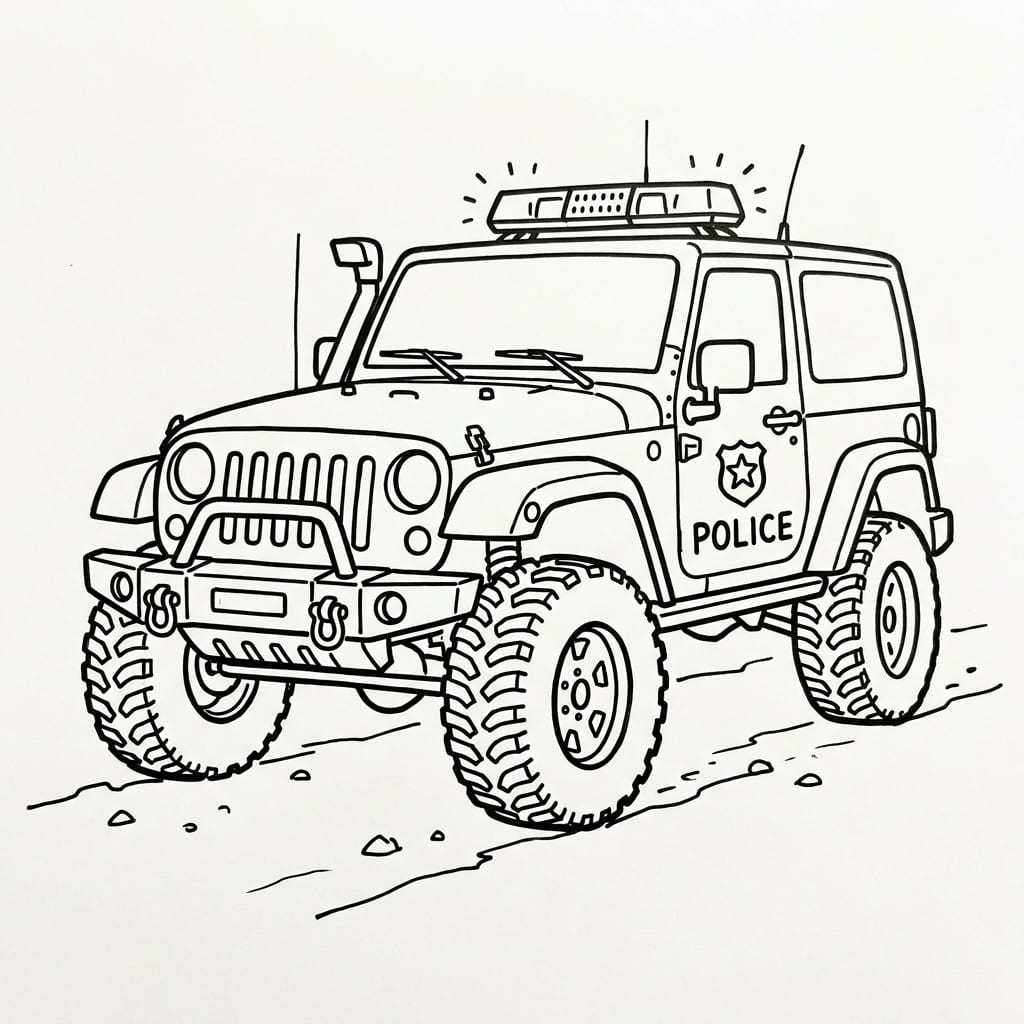
Time for some chunkiness. Those tires should look tough—so draw them thicker and more prominent than usual.
The angled front view gives you a hint of both the front grille and one side of the vehicle.
It’s slightly more advanced than a straight front view, but still totally manageable. The chunky tires hide most mistakes, which is honestly my favorite kind of drawing hack.
10. The Mini Car in the City (Side View with a Stop Sign)
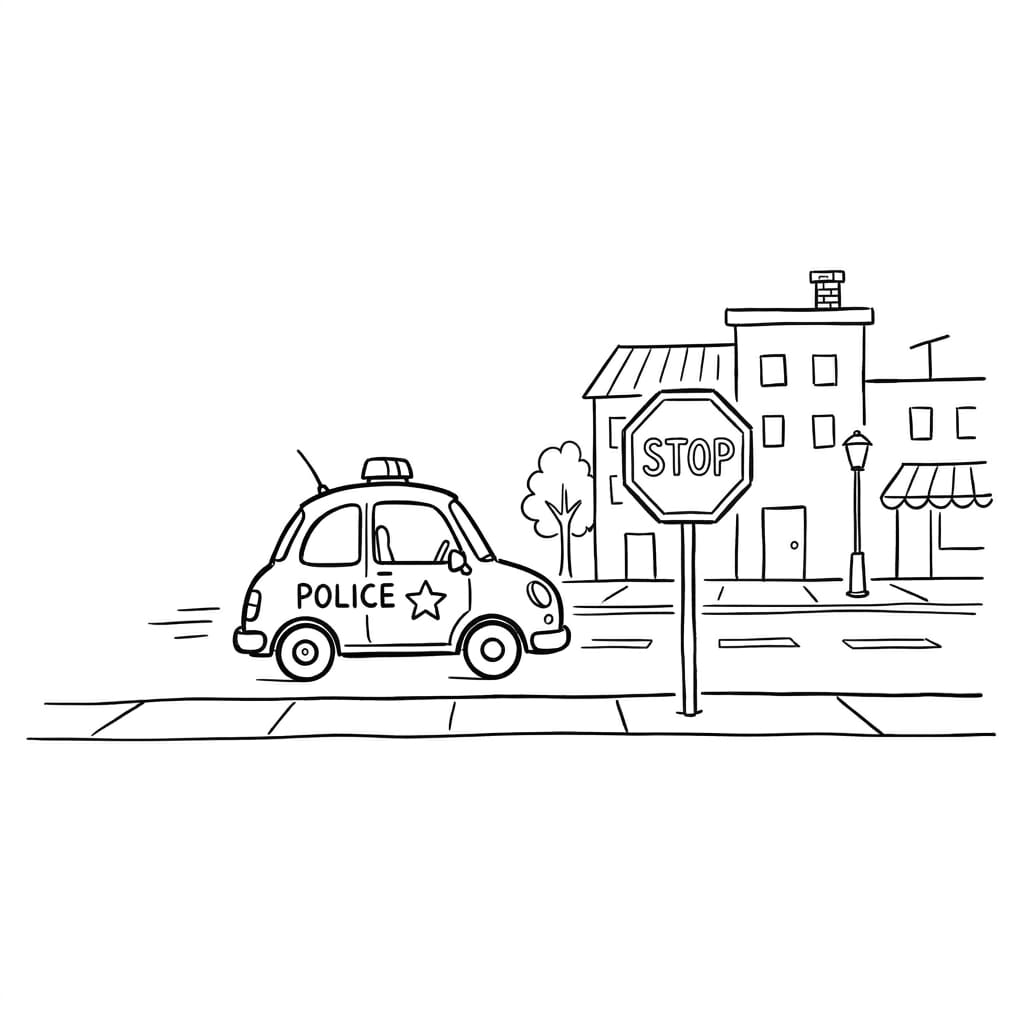
This one tells a little story. Draw a mini police car (think small, cute, compact), then add a simple stop sign on a pole nearby.
One stop sign changes everything—now your car isn’t just driving; it’s following traffic rules like a good citizen.
I love adding tiny environmental details because they make the drawing feel complete without requiring extra artistic skill.
11. The Futuristic Electric Cruiser (Top Perspective View)
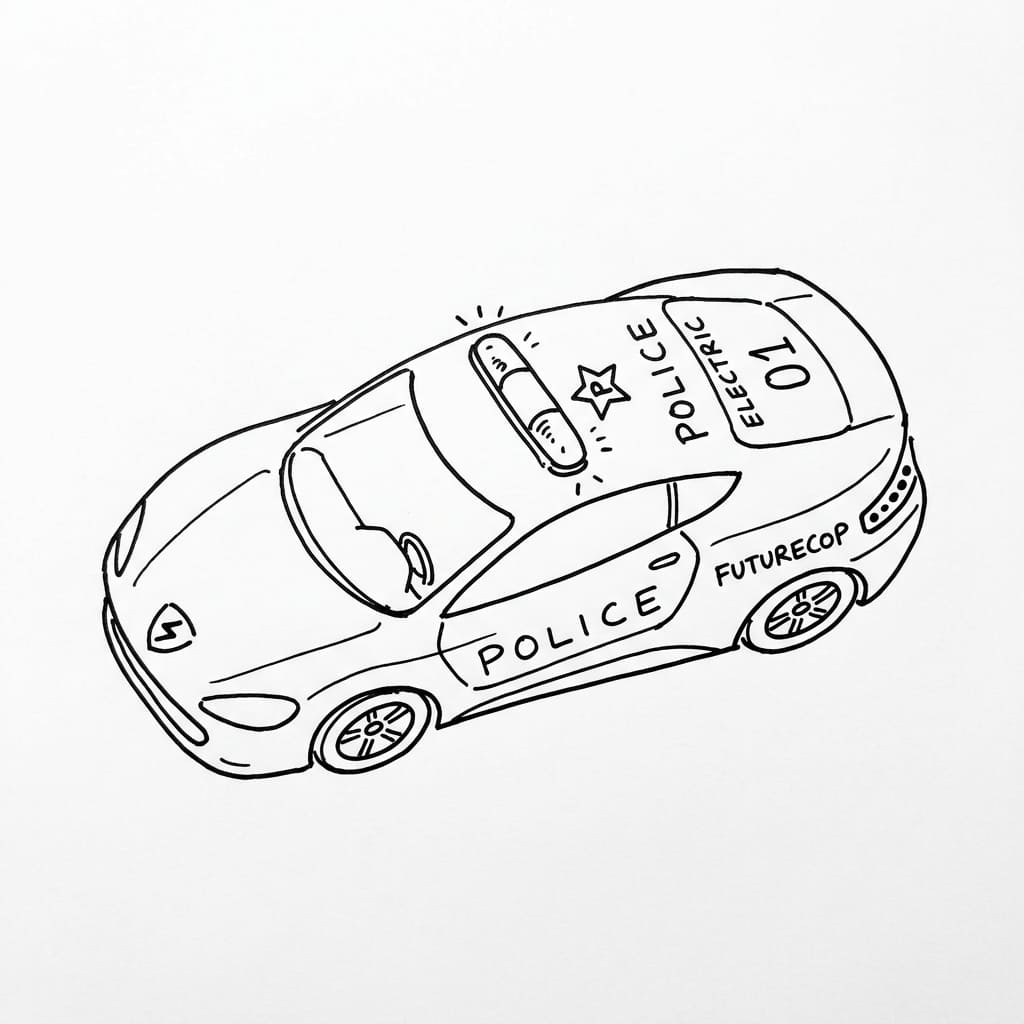
Okay, this one looks fancy, but hear me out. Top views are surprisingly easy because you’re essentially drawing a rounded rectangle with details placed symmetrically.
From above, you see the roof, the windshield outline, and those sleek siren lights running along the top. The futuristic shape means no one expects perfect realism—just clean, minimal lines.
Ever tried drawing a car from above? Give it a shot. You might surprise yourself.
12. The Airport Security Vehicle (Side Profile)
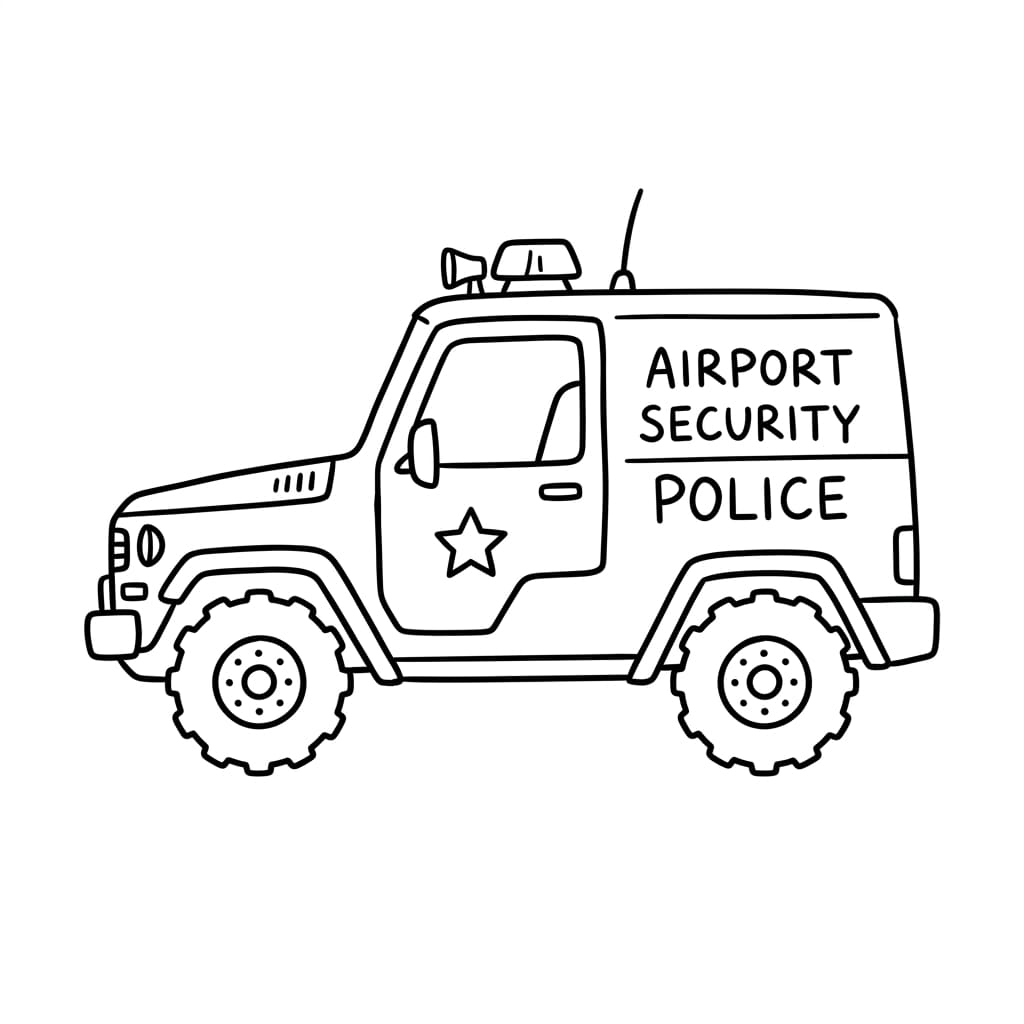
Airport vehicles have a distinct look—compact, utilitarian, and often slightly boxier than regular patrol cars.
Draw a side profile with a short hood and a taller cabin area. Add a simple light bar and maybe a tiny badge on the door. The “AIRPORT SECURITY” label does most of the storytelling here.
This is a fun one if you want to draw something slightly off the beaten path.
13. The Parade-Ready Convertible (Front Angle)
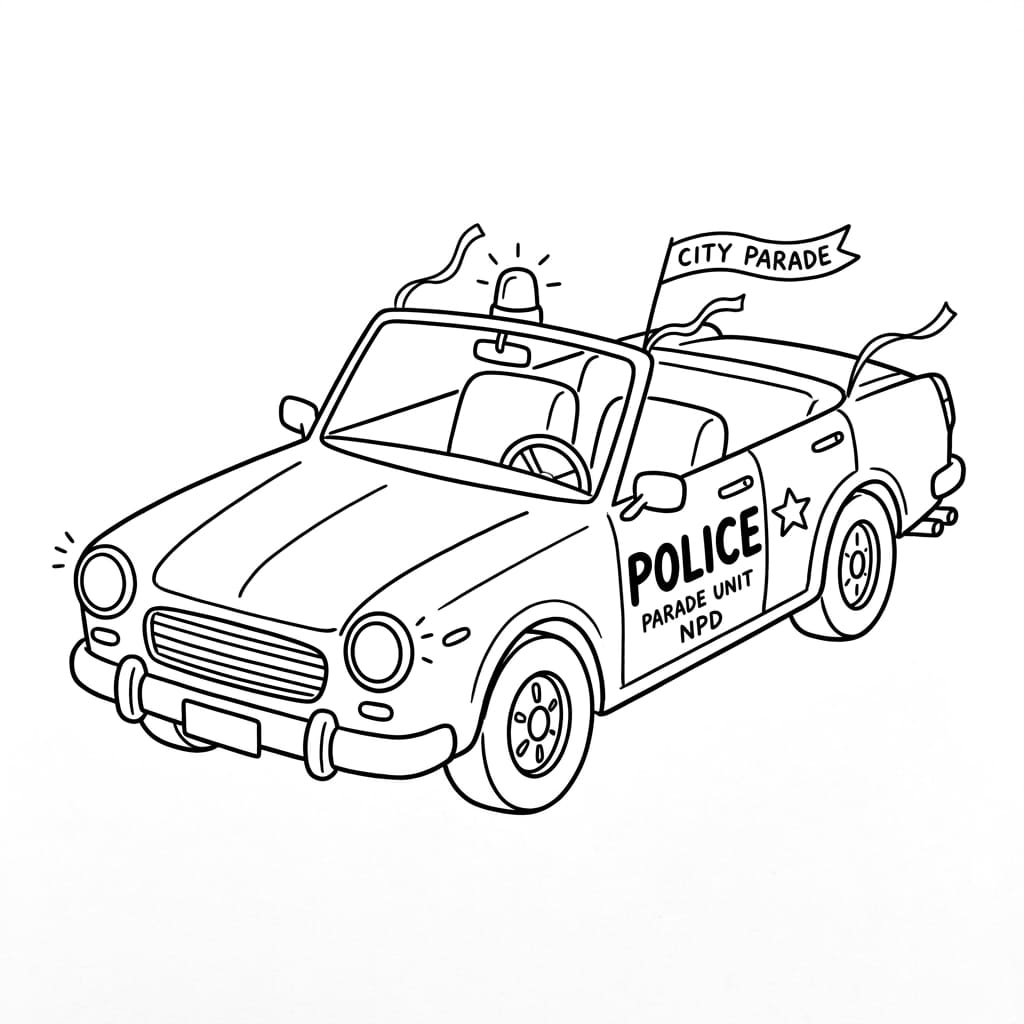
Convertibles in parades always look cheerful, don’t they? Let’s capture that energy.
Draw an open-top car shape from the front angle. You’ll see the windshield, the seats inside, and the simple wheels peeking out below. No roof means fewer lines to draw—and that’s a win in my book.
Add a tiny flag or a “PARADE DUTY” label if you’re feeling extra festive.
14. The Tow Truck Helping Out (Side View Composition)
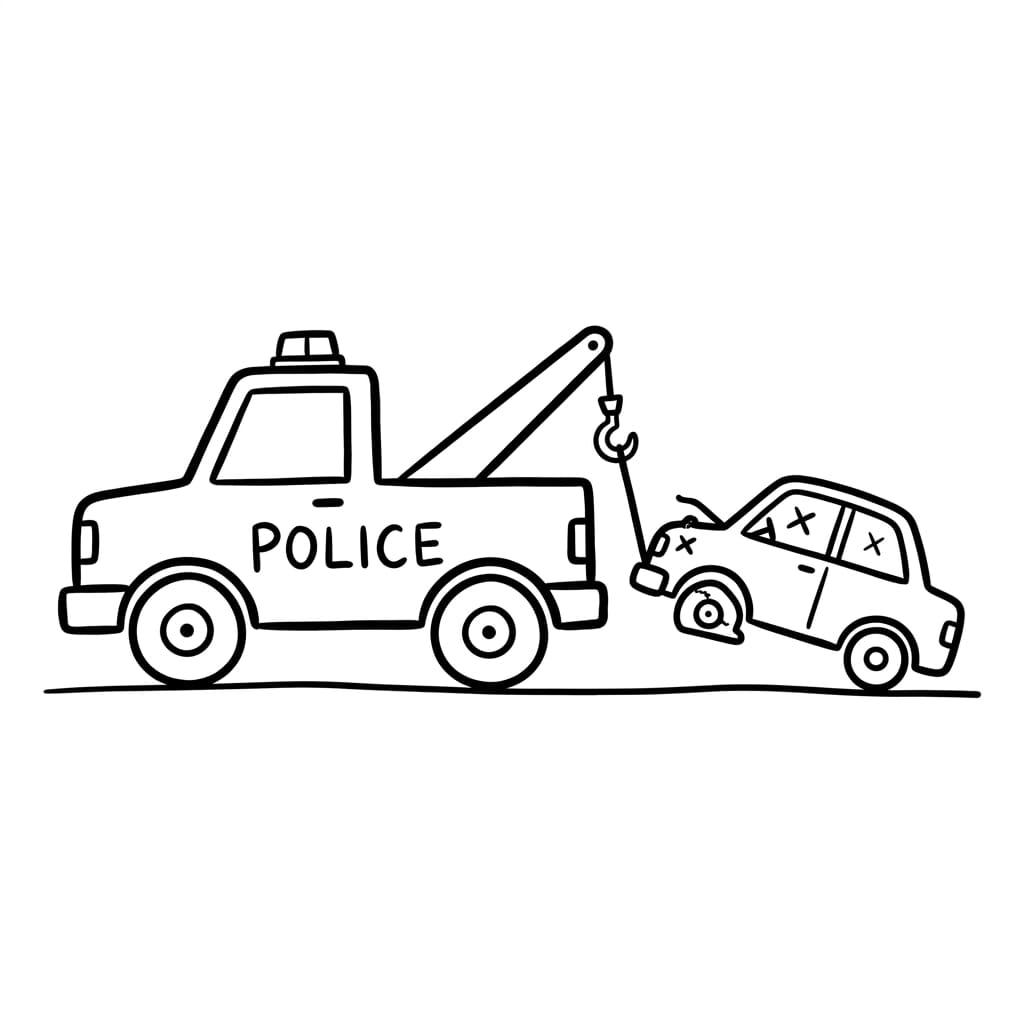
Now we’re telling a story. Draw a police tow truck (boxy front, flat bed in back), then draw a smaller broken car behind it being towed. Two vehicles connected by a simple line—that’s your tow rope.
This composition works great because the viewer instantly understands what’s happening. No shading, no color, just clear action.
Ever noticed how a sad little broken car adds drama to any drawing? It’s hilarious and fun.
15. The Motorcycle Support Car (3/4 Perspective)
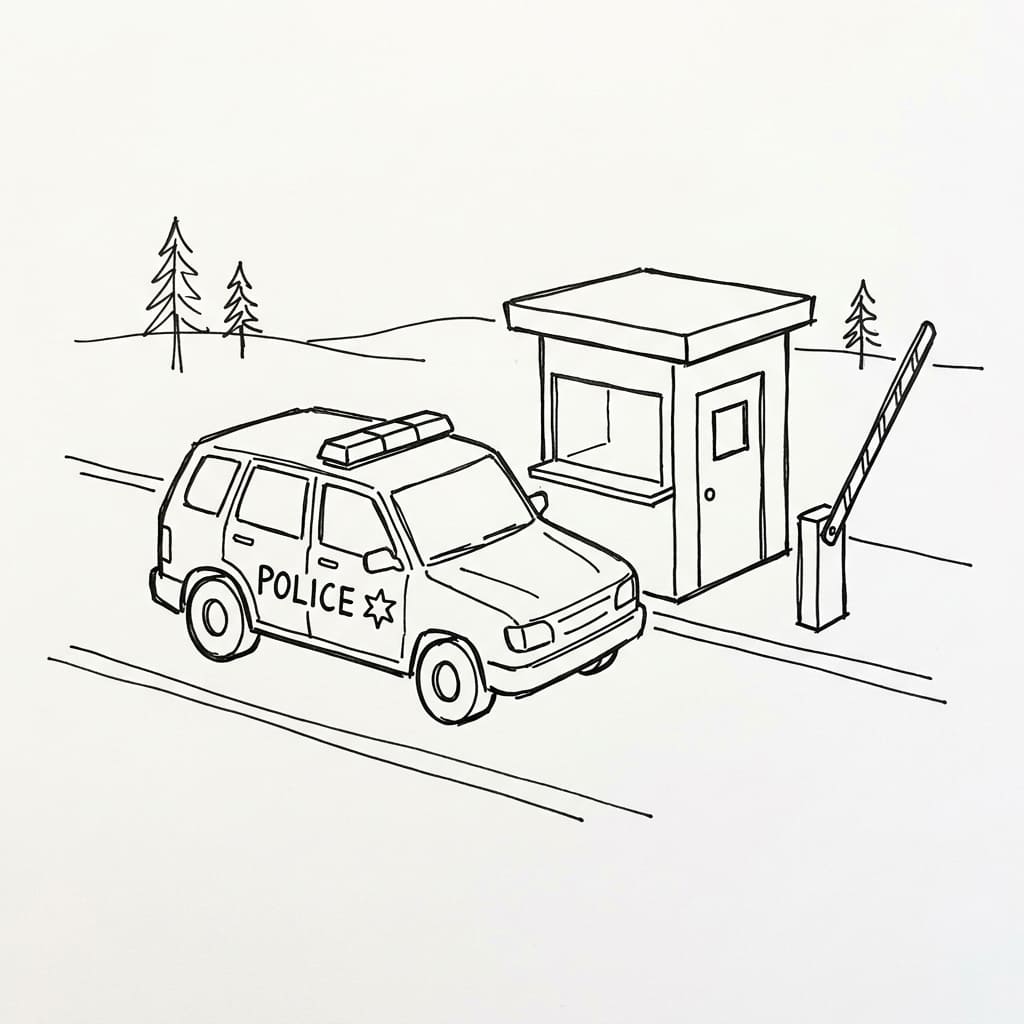
Last but not least, let’s try a 3/4 perspective with a buddy. Draw the support car (think small utility vehicle angled toward the viewer), then add a tiny checkpoint booth next to it.
The booth adds context—suddenly this isn’t just a car; it’s a whole traffic checkpoint scene. Draw a simple striped pole or a small “STOP” sign nearby to complete the setup.
5 Quick Tips to Make Your Police Car Drawings Instantly Better
Before you run off to fill an entire sketchbook (which you totally should), here are a few things I’ve learned the hard way:
- Start with light pencil strokes. Heavy lines lock you into mistakes. Light lines let you adjust.
- Don’t compare your first attempt to someone else’s hundredth. That’s just mean to yourself.
- Use references. Looking at real police car images isn’t cheating—it’s smart.
- Stop when you’re having fun. Seriously. The moment drawing feels like a chore, take a break.
- Keep that eraser handy. Even professional artists erase. A lot.
Final Thoughts: Your Pencil, Your Rules
Here’s the thing about drawing police cars (or anything, really): the only wrong way is the way that doesn’t make you happy.
Those 15 ideas I shared? They’re starting points, not prison sentences. Mix them up. Combine ideas. Add your own weird details. Draw a police car with donuts on the roof—I won’t judge.
You’ve got a pencil, some paper, and fifteen solid ideas to play with. That’s more than enough to create something genuinely cool.
So go ahead. Draw that first line. Make it wobbly if you want. Every great drawing starts with a single imperfect stroke.
Now get sketching, my friend. And if you end up drawing that donut-topped patrol car, you better show me.
P.S. Which idea are you trying first? I’m personally partial to the vintage one with the rounded headlights, but the tow truck scene always makes me laugh. Drop a comment or just enjoy the doodling—either way, you’ve got this.