
15 Easy Comb Drawing Ideas for Your Sketchbook (You’ll Actually Want to Try)
Let’s be real for a second.
You open your sketchbook, pen in hand, and suddenly your brain decides to play hide-and-seek with every single drawing idea you’ve ever had. Sound familiar? Yeah, I’ve been there more times than I care to admit.
So here’s the thing—you don’t need a dramatic landscape or a perfectly shaded portrait to get those creative juices flowing. Sometimes, the simplest objects make the best practice. And honestly? A comb is one of them.
I know what you’re thinking: “A comb? Seriously?”
Seriously. Stick with me.
Below, I’ve put together 15 easy comb drawing ideas that’ll fill your sketchbook pages faster than you can say “bad hair day.”
These are beginner-friendly, super low-pressure, and perfect for those days when you just want to draw something without overthinking it.
Grab your favorite pen. Let’s get into it.
Why Draw a Comb? (No, Really)
Before we jump into the list, let me answer the question you’re probably asking yourself.
Comb drawings train your eye for repetition, spacing, and clean lines—all without the stress of getting proportions “perfect.” You don’t need to shade. You don’t need textures. You just need a black pen and a white background.
Plus, combs come in so many shapes. Wide-tooth, fine-tooth, round brushes, pocket combs… the list goes on. You’ll never run out of variety.
IMO, that’s a pretty solid deal for a five-minute sketch.
15 Comb Drawing Ideas for Your Sketchbook
Let’s walk through each idea one by one. I’ll share a quick tip or personal thought for most of them—because who wants just a boring description?
1. A Simple Straight Hair Comb – Front View
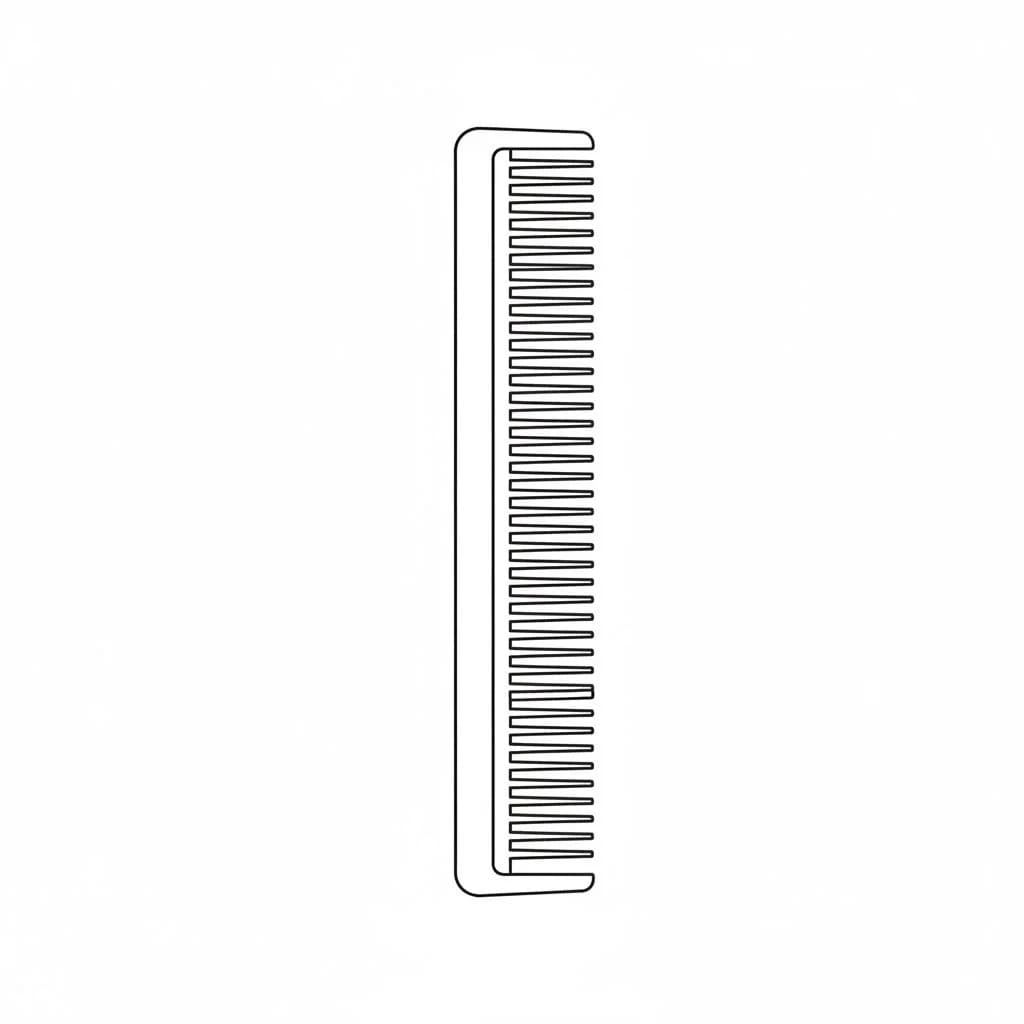
The idea: Evenly spaced teeth, front view, black line drawing on white background. Minimal detail.
This is your warm-up. Start here before attempting anything fancy.
My tip: Focus on getting the teeth evenly spaced. Don’t stress if they’re not mathematically perfect—hand-drawn charm beats robotic precision every single time. I usually draw the top “spine” of the comb first, then add the teeth downward like little fence posts.
2. A Wide-Tooth Comb – Top-Down View
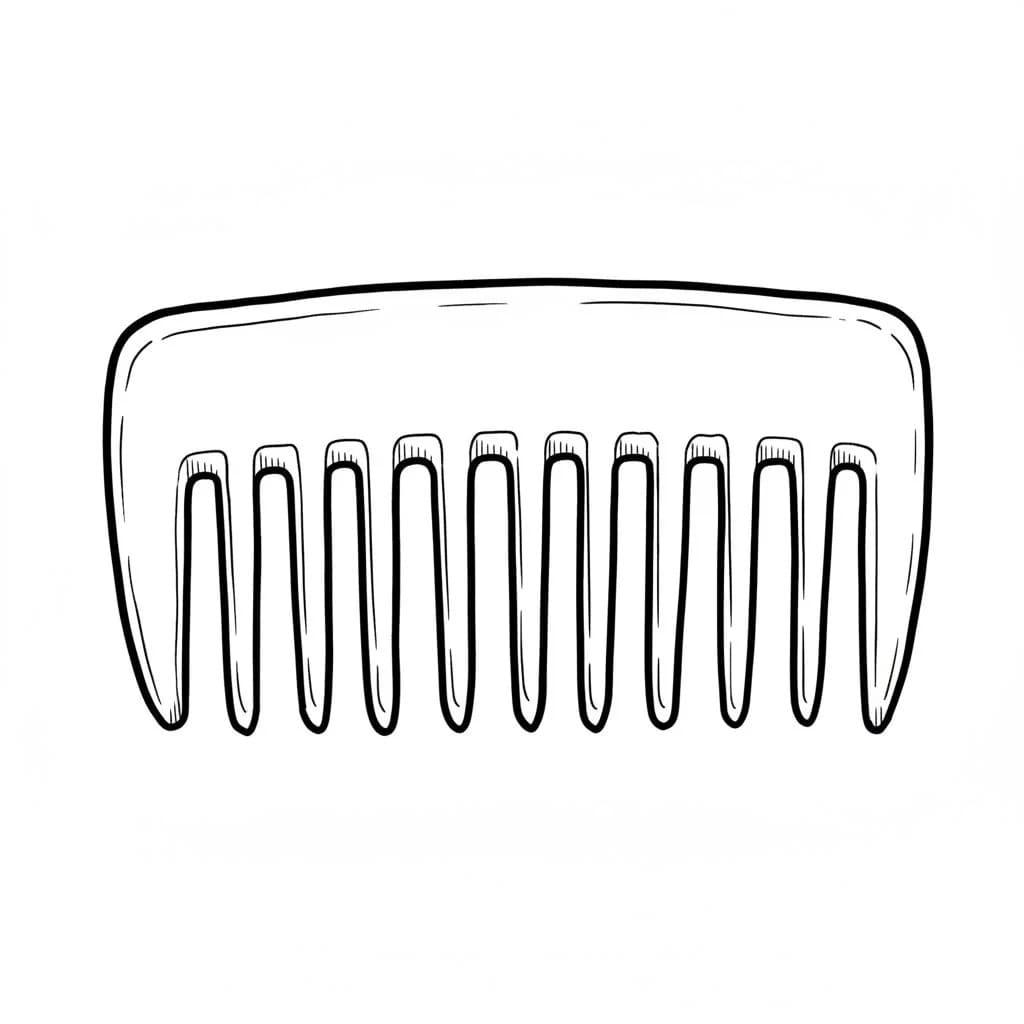
The idea: Thick teeth, top-down perspective, simple hand-drawn style with minimal lines.
Ever used a wide-tooth comb on wet hair? Game changer. Drawing one? Also satisfying.
Because the teeth are thicker, you have more room to play with spacing. This is one of those comb drawing ideas that feels almost meditative. Just you, your pen, and a row of chunky little rectangles.
3. A Small Pocket Comb with a Rounded Handle
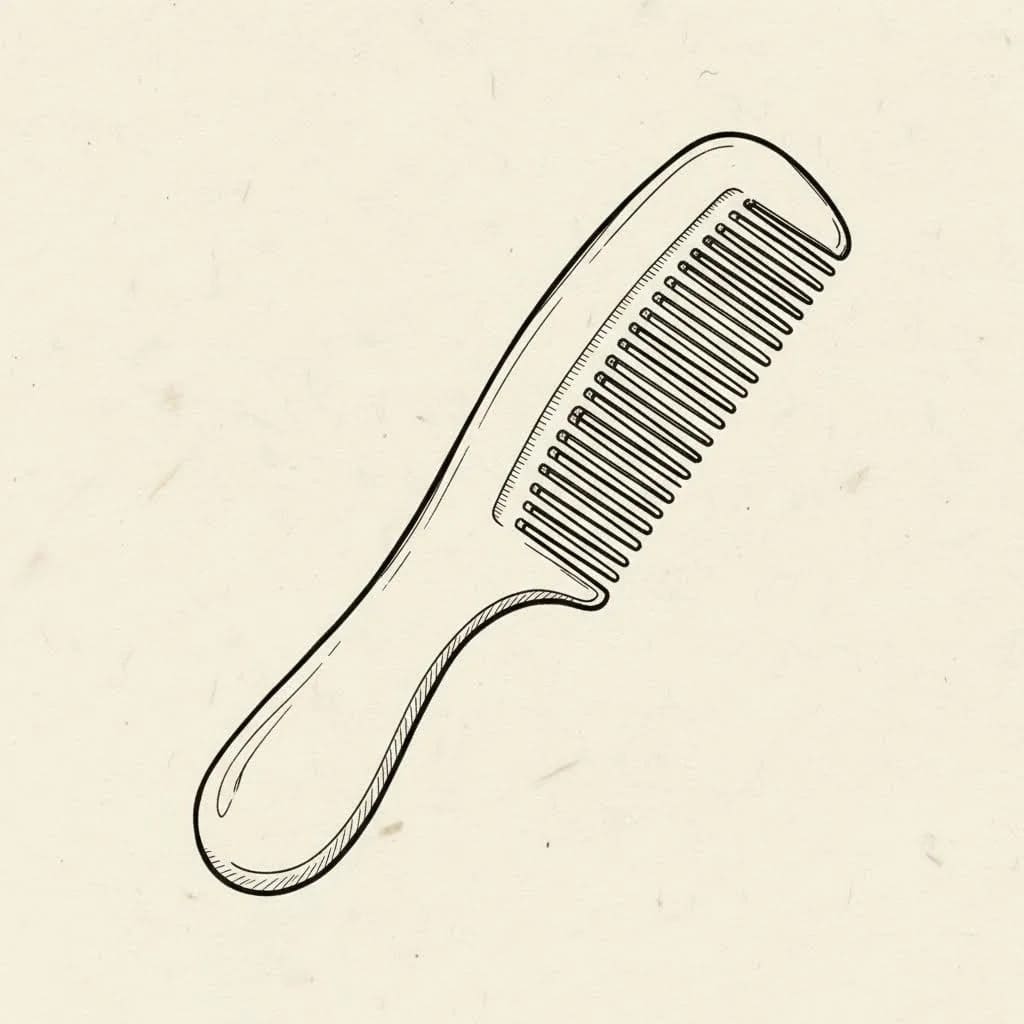
The idea: Slightly angled view, clean outline, hand-drawn style, no extra elements.
You know those tiny combs that come in travel kits? The ones you lose immediately? Yeah, those.
Draw this one at a slight tilt. That small angle makes the sketch feel more dynamic without adding complexity. Pro tip: Draw the handle first, then attach the teeth section at a natural angle.
4. Two Crossed Combs Forming an “X” Shape
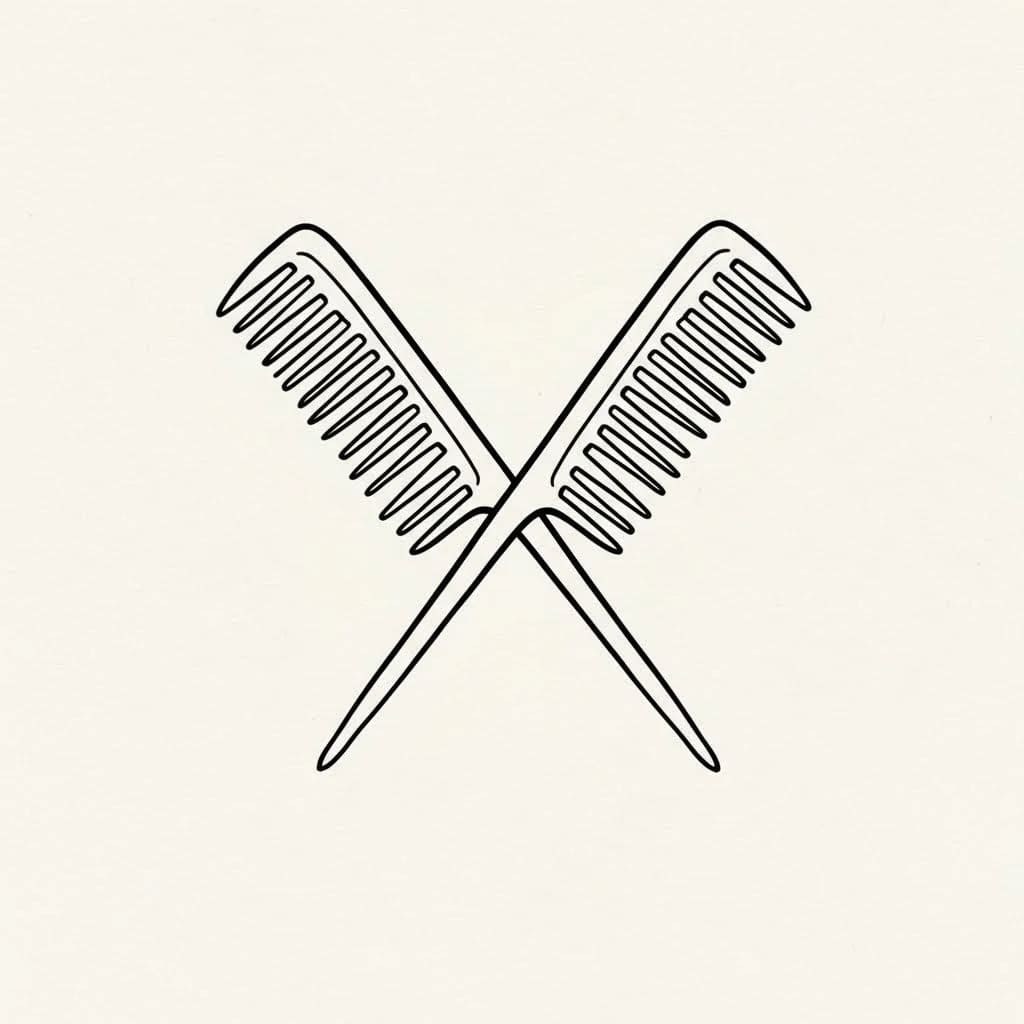
The idea: Hand-drawn line illustration, evenly spaced teeth, clean and simple.
Okay, this one looks way harder than it actually is.
Just draw one comb diagonally, then draw the second one crossing over it. The trick? Keep both combs’ teeth pointing outward from the center. I accidentally drew them facing inward once and ended up with what looked like a weird cage. Learn from my mistake. 😅
5. A Long-Handle Comb with Fine Teeth – Side View
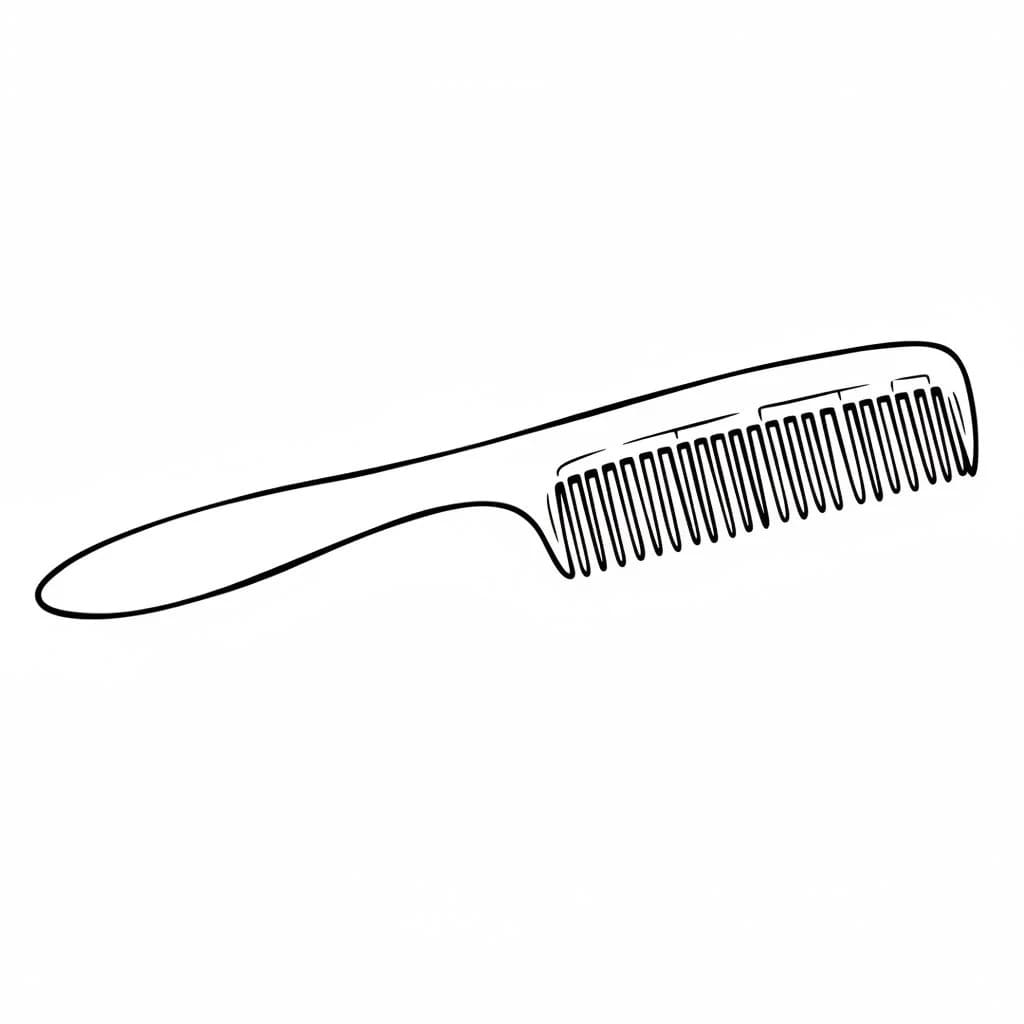
The idea: Simple hand-drawn style, smooth black outline, no shading.
Side views are my secret weapon when I don’t feel like drawing perfect tooth alignment. Why? Because from the side, you barely see the teeth at all.
You’re really just drawing a long, slightly tapered shape with a few tiny lines indicating the teeth. This might be the easiest idea on the entire list. FYI: Save this one for low-motivation days.
6. A Broken Comb with Missing Teeth
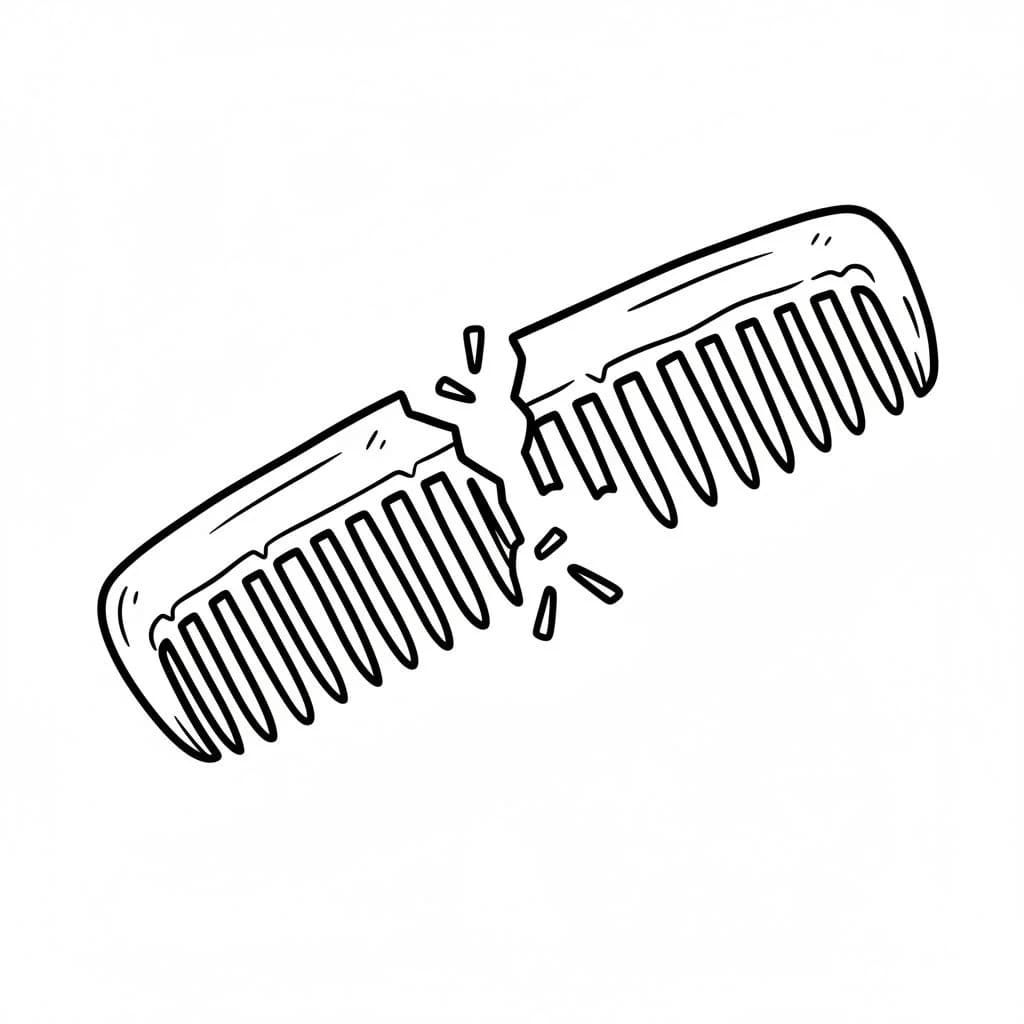
The idea: Hand-drawn doodle style, minimal detail, clean black lines on white.
Finally—a drawing where mistakes are literally part of the design.
Leave a few gaps in the tooth line. Maybe add a tiny crack on the spine. This idea works great if you want to practice irregular spacing. Plus, it tells a little story. What happened to this comb? Did someone have a really bad hair day? You decide.
7. A Slightly Curved Comb (Arched Shape)
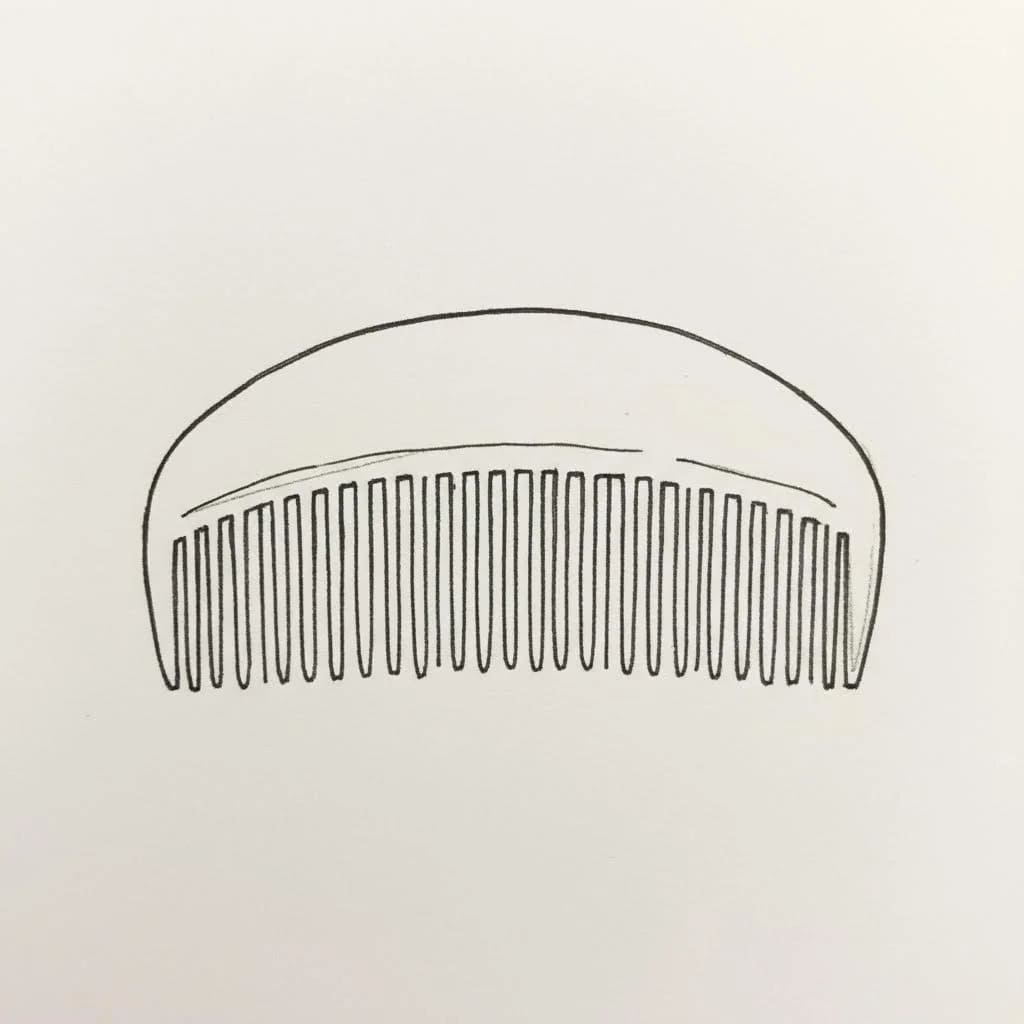
The idea: Front view, evenly spaced teeth, simple hand-drawn illustration, no extra detail.
Curved combs exist for a reason—they follow the shape of your head. Smart, right?
When drawing this, draw the arch first (a gentle upside-down U shape), then add the teeth straight down. Don’t curve the teeth. Keep them vertical. That contrast between the curved spine and straight teeth makes the drawing work.
8. A Comb Next to a Small Mirror Outline
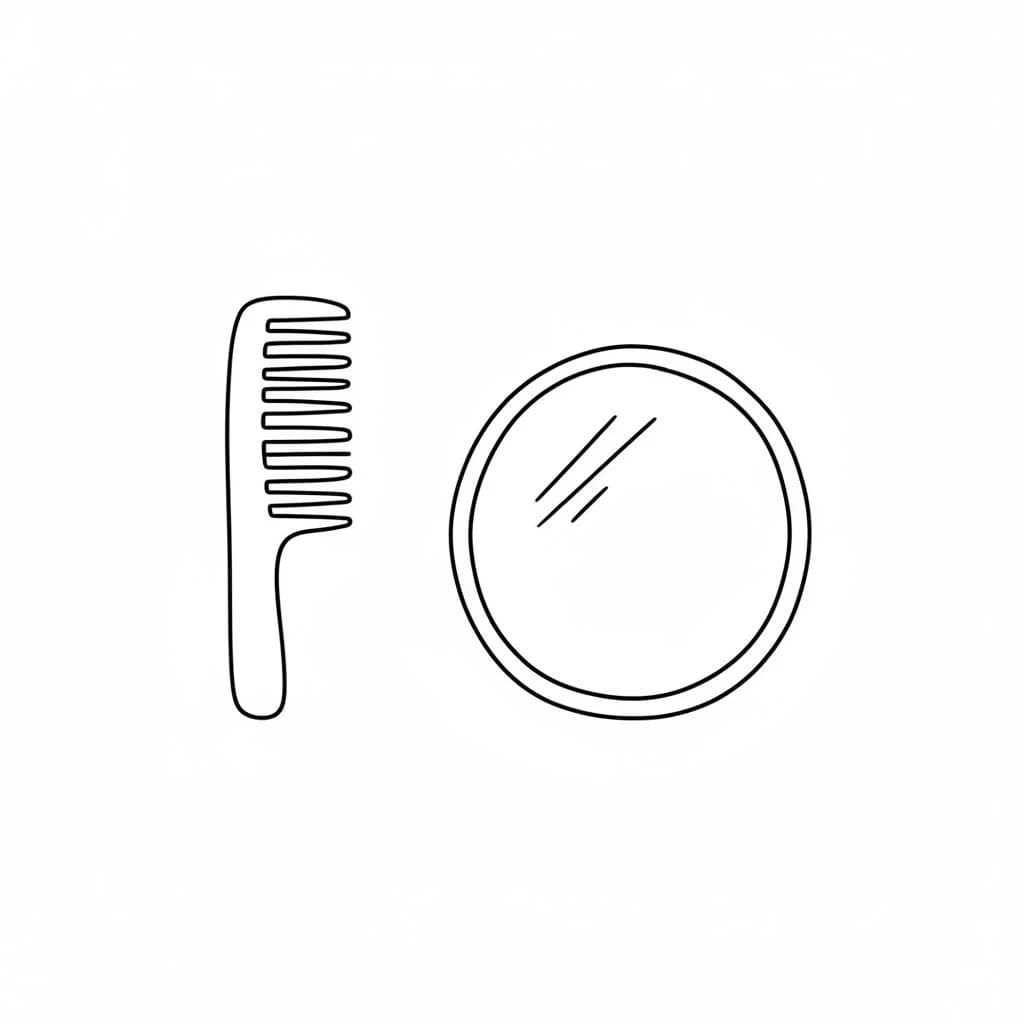
The idea: Hand-drawn line art, two simple objects, minimal lines, no decoration.
Now we’re adding a second object. Fancy, huh?
Draw a basic oval or rectangle for the mirror, then place your comb right next to it. I like putting the comb slightly overlapping the mirror’s edge—it creates a subtle connection between the two objects. Ever noticed how some of the best drawings are just two simple things hanging out together?
9. Three Small Combs in a Row
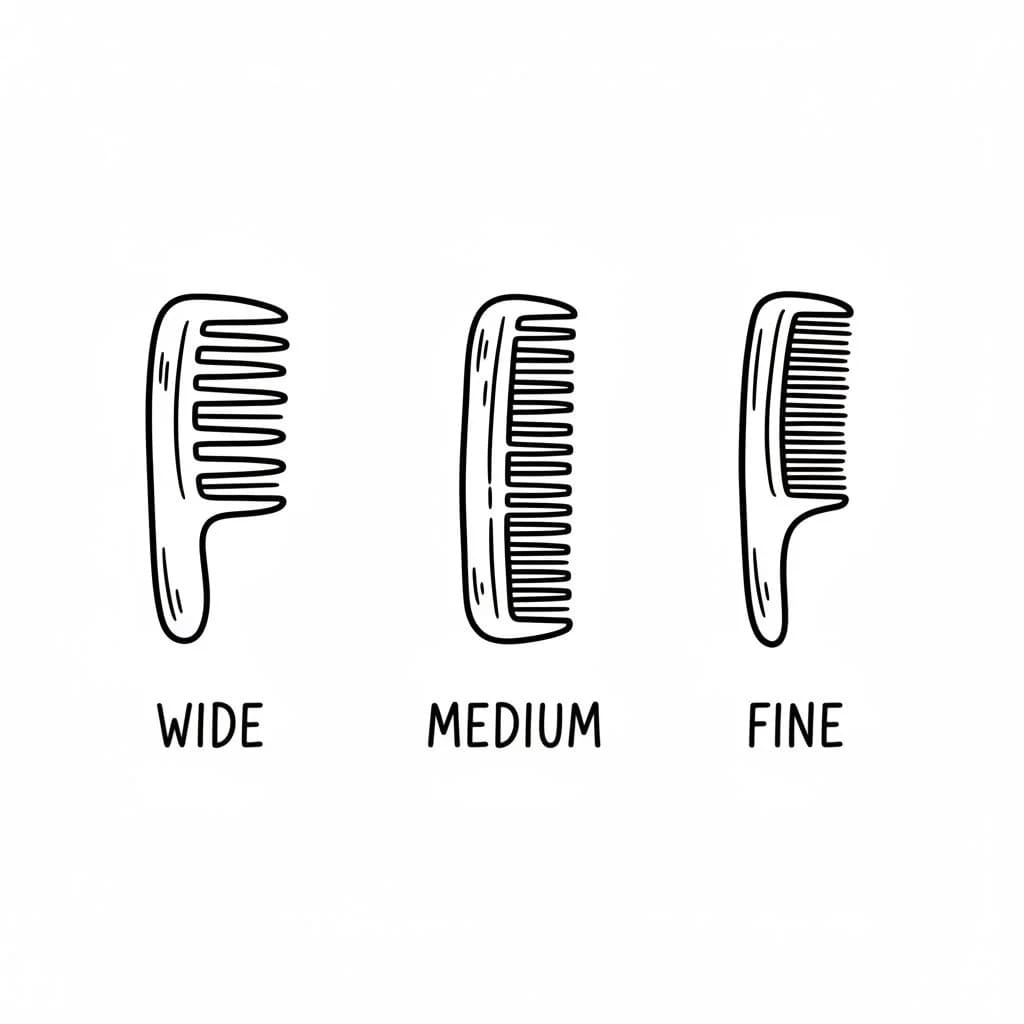
The idea: Each comb has slightly different tooth spacing, simple hand-drawn doodle style, clean outlines.
This one’s a sneaky exercise in observation.
Draw three identical comb shapes, but vary the tooth spacing on each. First comb: wide spacing. Second comb: medium spacing. Third comb: tight spacing.
You’ll train your hand to control line placement without even realizing it. Plus, three in a row just looks cool on the page.
10. A Pair of Scissors and a Comb Side by Side
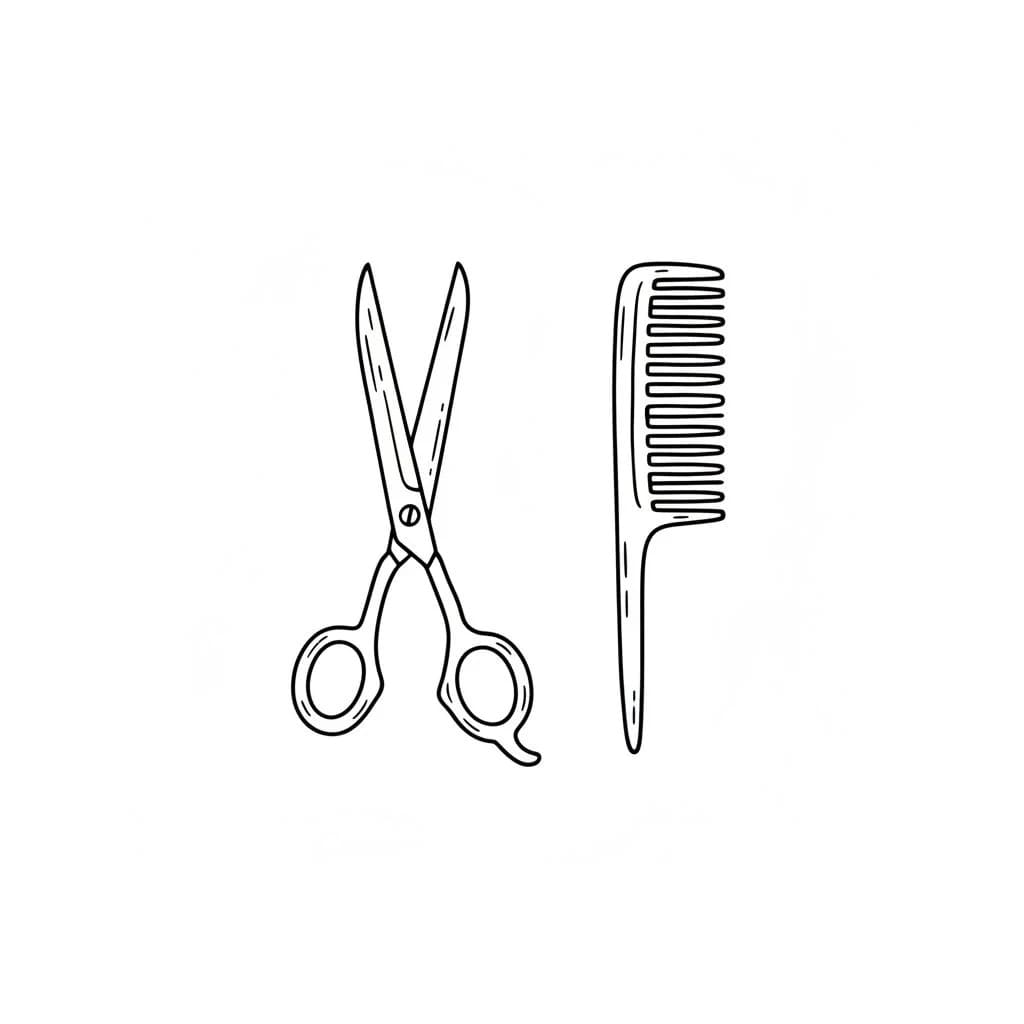
The idea: Front view, evenly spaced, simple hand-drawn doodle style, clean black line art, white background, minimal detail, no shading, no pattern.
Barber shop vibes. ✂️
This is one of my personal favorites from these comb drawing ideas because the two objects contrast so nicely.
Scissors have those sharp, intersecting lines while the comb stays soft and rectangular. Draw them the same height for a balanced composition.
Beginner-friendly warning: Draw the scissors’ finger loops as simple circles or ovals. Don’t overcomplicate them. You’re not drafting surgical instruments here.
11. A Comb Partially Inside a Simple Pouch Outline
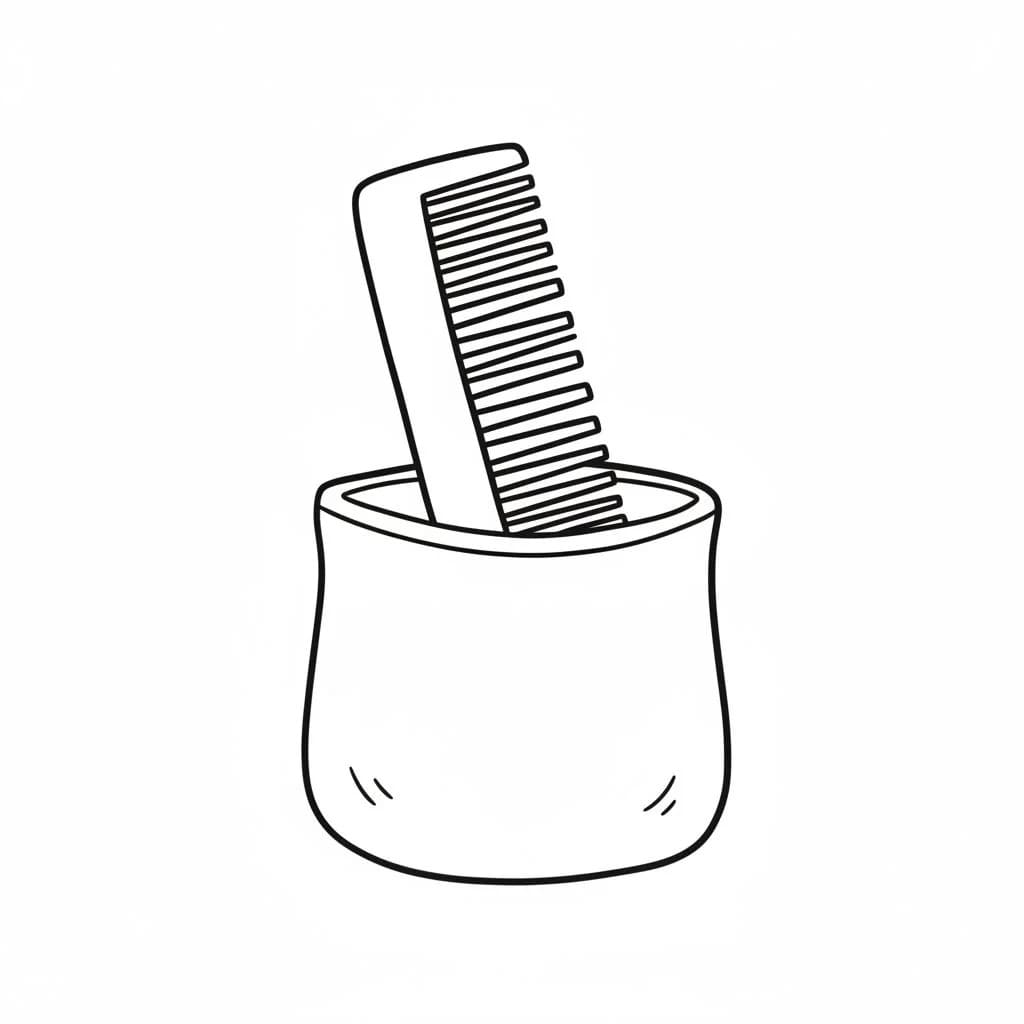
The idea: Hand-drawn line drawing style, basic shapes, no textures or patterns.
Half in, half out. That’s the whole trick.
Draw a basic U-shaped pouch (think: a tiny sleeping bag for your comb), then draw the comb sticking out the top. Only draw the visible portion of the comb. The hidden part? Your viewer’s imagination fills it in.
This teaches you a valuable lesson: You don’t always need to draw the whole object. Leaving things out can actually make the drawing stronger.
12. A Double-Sided Comb – Straight-On View
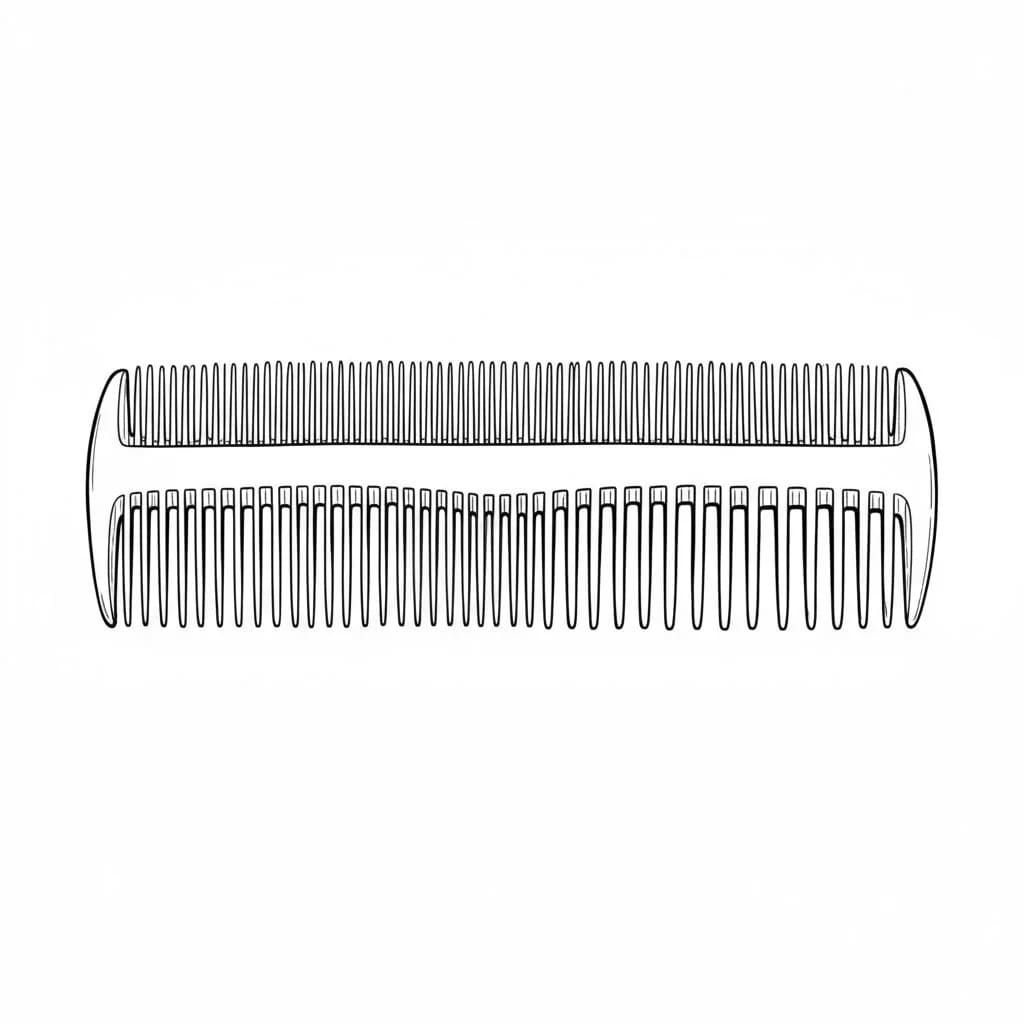
The idea: Fine teeth on one side, wide teeth on the other, simple hand-drawn style, clean black lines.
The mullet of combs. Business on one side, party on the other.
Draw a central spine, then add fine teeth along one edge and wide teeth along the opposite edge.
This idea forces you to switch between two different spacing rhythms in a single drawing. Great brain training. Annoying if you lose count. (I always lose count.)
13. A Basic Flat Hairbrush with Short Bristles
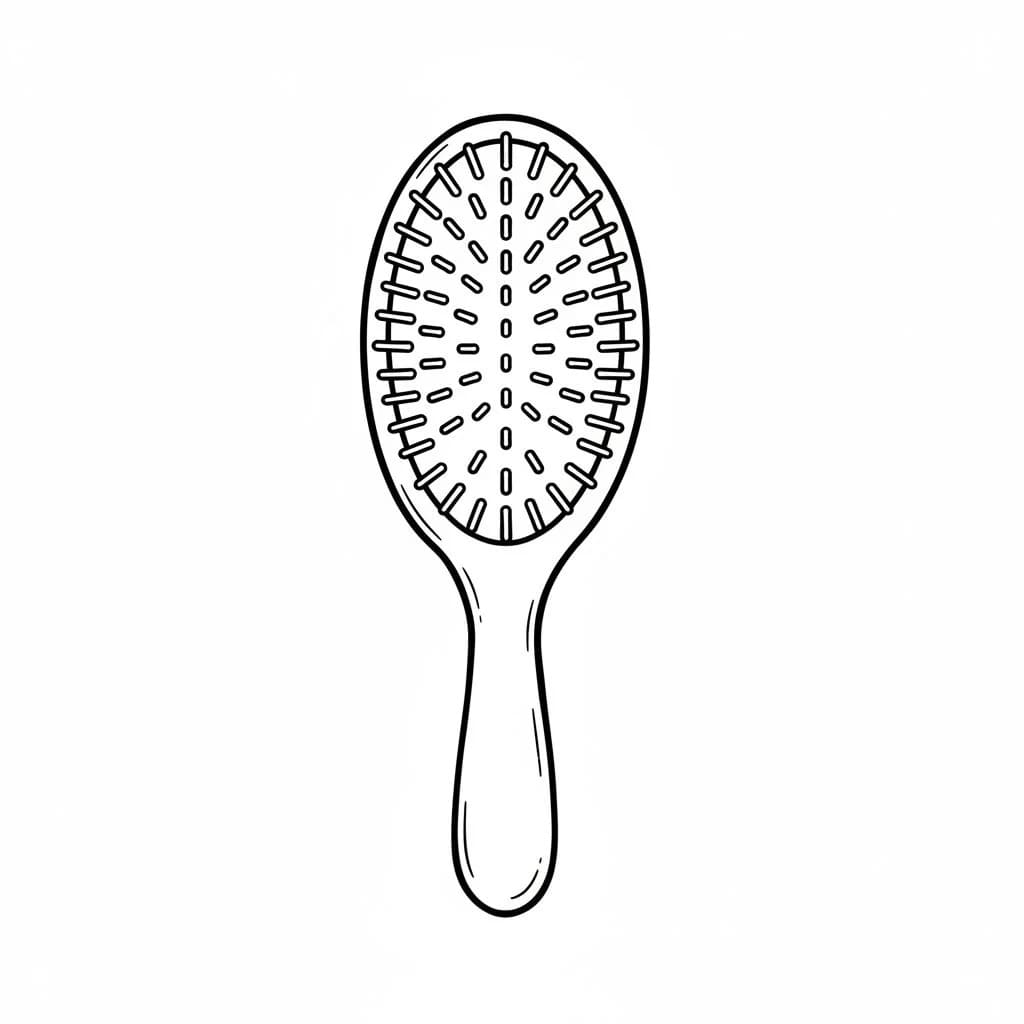
The idea: Front view, simple hand-drawn sketch style, clean black outlines, white background, minimal detail, no shading, no pattern.
Yes, I know a hairbrush isn’t technically a comb. But close enough, right?
Draw a flat oval or rectangle for the brush base, then add a simple handle sticking out one side.
For the bristles, draw small vertical dashes instead of full lines. This keeps the drawing clean and prevents it from getting visually messy.
My honest opinion: This is the most satisfying one on the list. There’s something oddly therapeutic about drawing rows of tiny bristles.
14. A Comb Resting on a Flat Surface – Side Perspective
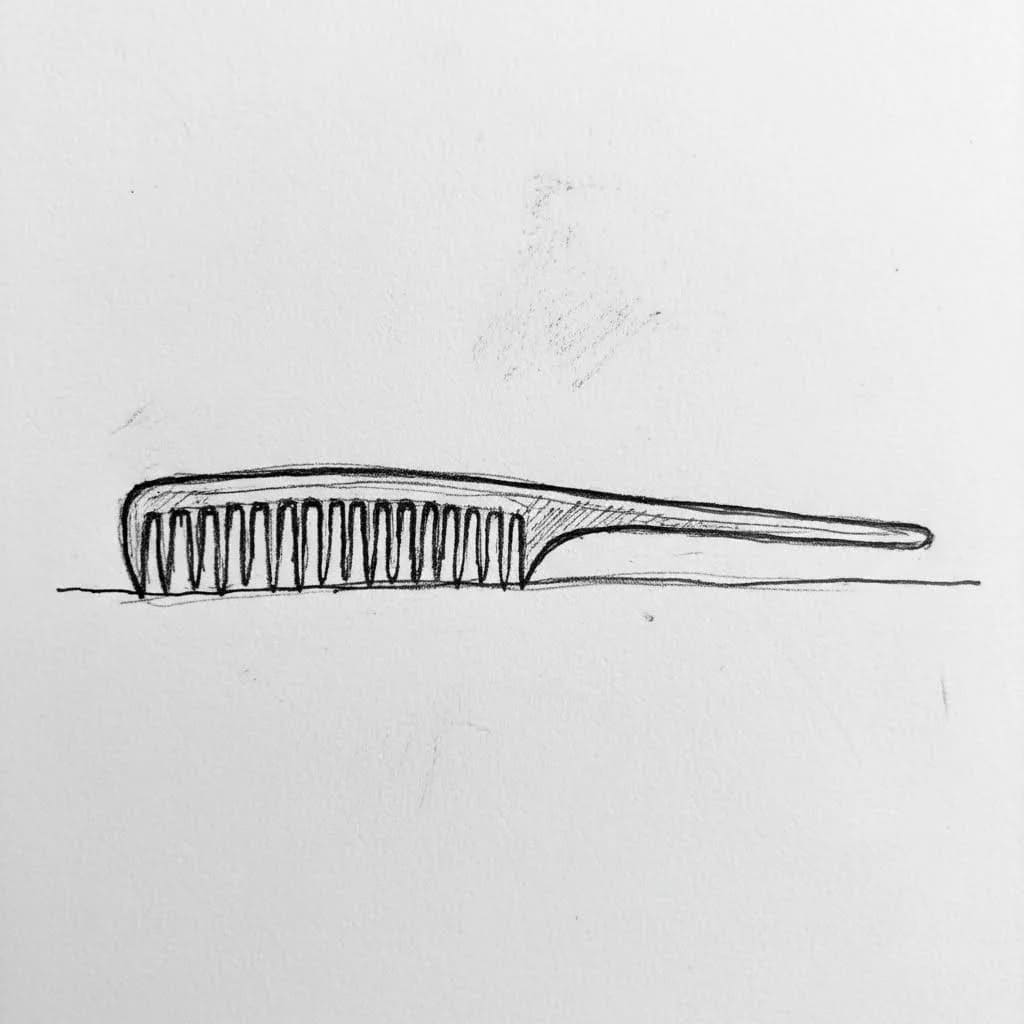
The idea: Side view, simple hand-drawn sketch style, very minimal detail.
Draw a long horizontal line (that’s your table or surface). Then draw your comb resting on top of it, seen from the side.
Because the comb lies flat, you’ll see the entire length of the handle and the teeth pointing either up or down depending on your angle. This drawing literally takes 60 seconds. Save it for when you need a quick win.
15. A Round Hairbrush with a Cylindrical Head
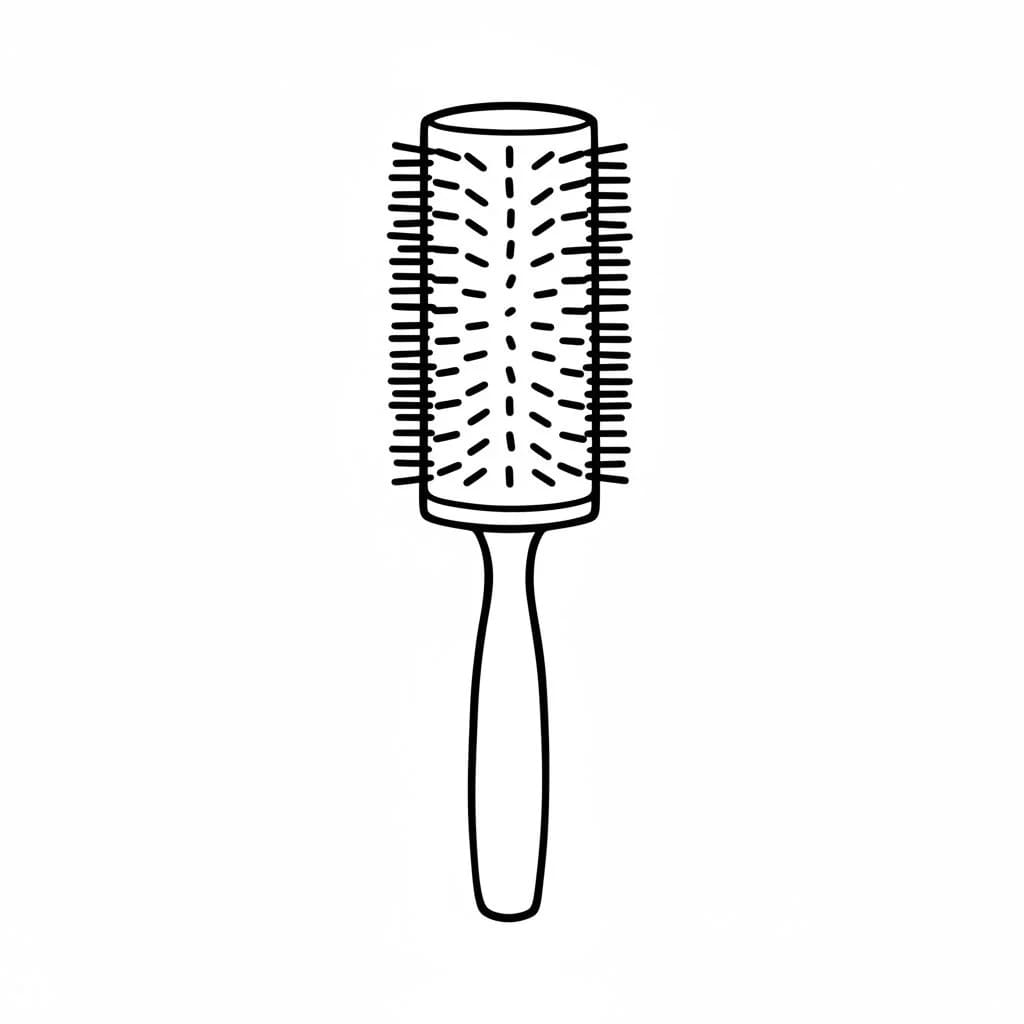
The idea: Side view, simple hand-drawn line art style, clean black lines, white background, minimal detail, no shading, no pattern.
We’re ending with a tiny challenge—but don’t worry, it’s still beginner-friendly.
Draw a long handle, then a cylindrical shape at the end (that’s the brush head). Add a few small lines or dots around the cylinder to suggest bristles pointing outward in different directions.
Here’s the secret: You don’t need to draw every single bristle. Just enough to give the idea. Your brain will fill in the rest. That’s the beauty of minimal line art.
How to Get the Most Out of These Comb Drawing Ideas
You’ve got the ideas. Now let me share a few quick tips to make your sketchbook session actually enjoyable.
Use the Same Pen for Everything
Grab one black fineliner or ballpoint pen and stick with it. Switching tools mid-session breaks your flow. Consistency beats fancy supplies every time.
Don’t Erase (Seriously, Don’t)
These are hand-drawn doodles, not architectural blueprints. Wobbly lines and tiny mistakes give your work personality.
I’ve kept sketches with obvious “errors” because they ended up looking more interesting than the “perfect” version.
Set a Timer
Give yourself 3–5 minutes per comb. The time pressure stops you from overthinking. You’ll be shocked how much you can finish when you’re not agonizing over every millimeter.
Fill an Entire Page
Pick 4–5 ideas from this list and draw them all on one page. A scattered collection of combs looks like a deliberate art piece.
Ever noticed how sketchbooks look best when they’re full and messy rather than sparse and careful?
Why Simple Drawings Still Count
Here’s something I wish someone told me years ago.
You don’t need to draw “impressive” things to improve.
A page full of combs—simple, clean, black-and-white combs—will teach you more about line control, spacing, and composition than struggling through a complicated portrait you’re not ready for.
Plus, finishing fifteen small drawings feels infinitely better than abandoning one big one halfway through. Ask me how I know. :/
So go ahead. Open your sketchbook. Pick any comb from this list. Draw it badly at first, then draw it again slightly better. That’s literally how every artist improves.
Final Thoughts (and a Tiny Dare)
I’ve given you 15 comb drawing ideas that range from “I could draw this in my sleep” to “okay, this one requires two brain cells.” None of them need shading, texture, or fancy materials.
So here’s my dare:
Draw five combs today. Just five. Post one somewhere—your sketchbook, your Instagram story, or even just text it to a friend who also draws. The act of sharing changes everything. It turns a private doodle into a real piece of art.
Now stop reading and go draw something. Your sketchbook isn’t going to fill itself.

One Comment